
How Colors Affect Mood in Home Design
Mood Vs Colours You Choose In Your Home
The colours you choose for your home do far more than simply make a room look attractive. Colour has the power to influence how a space feels, how comfortable you are in it, and even how you behave when you're there.
Whether you're creating a calming bedroom, an energising home office, or a welcoming living room, understanding how colours affect mood can help you make better design decisions.
While personal preference will always play a role in decorating, there are some common emotional responses that many people experience when surrounded by certain colours. The good news is that you don't need to completely redesign your home to benefit from colour psychology. Sometimes a fresh coat of paint, new cushions, artwork, or decorative accessories can completely change the atmosphere of a room.
Let's explore how different colours can influence mood and how you can use them throughout your home.
Why Colour Matters in Interior Design
Colour is often one of the first things we notice when we enter a room. It creates an immediate impression and can shape our emotional response before we've even had time to appreciate the furniture or décor.
Think about the difference between walking into a room painted in soft sage green compared to one filled with bright red accents. The green space may feel peaceful and restorative, while the red room feels lively and energetic. Neither is right or wrong. The best choice depends on how you want the room to function and how you want to feel when you're using it.
When selecting colours for your home, it's helpful to think about the purpose of each room rather than simply following current trends.
Blue: Calm, Relaxation and Focus
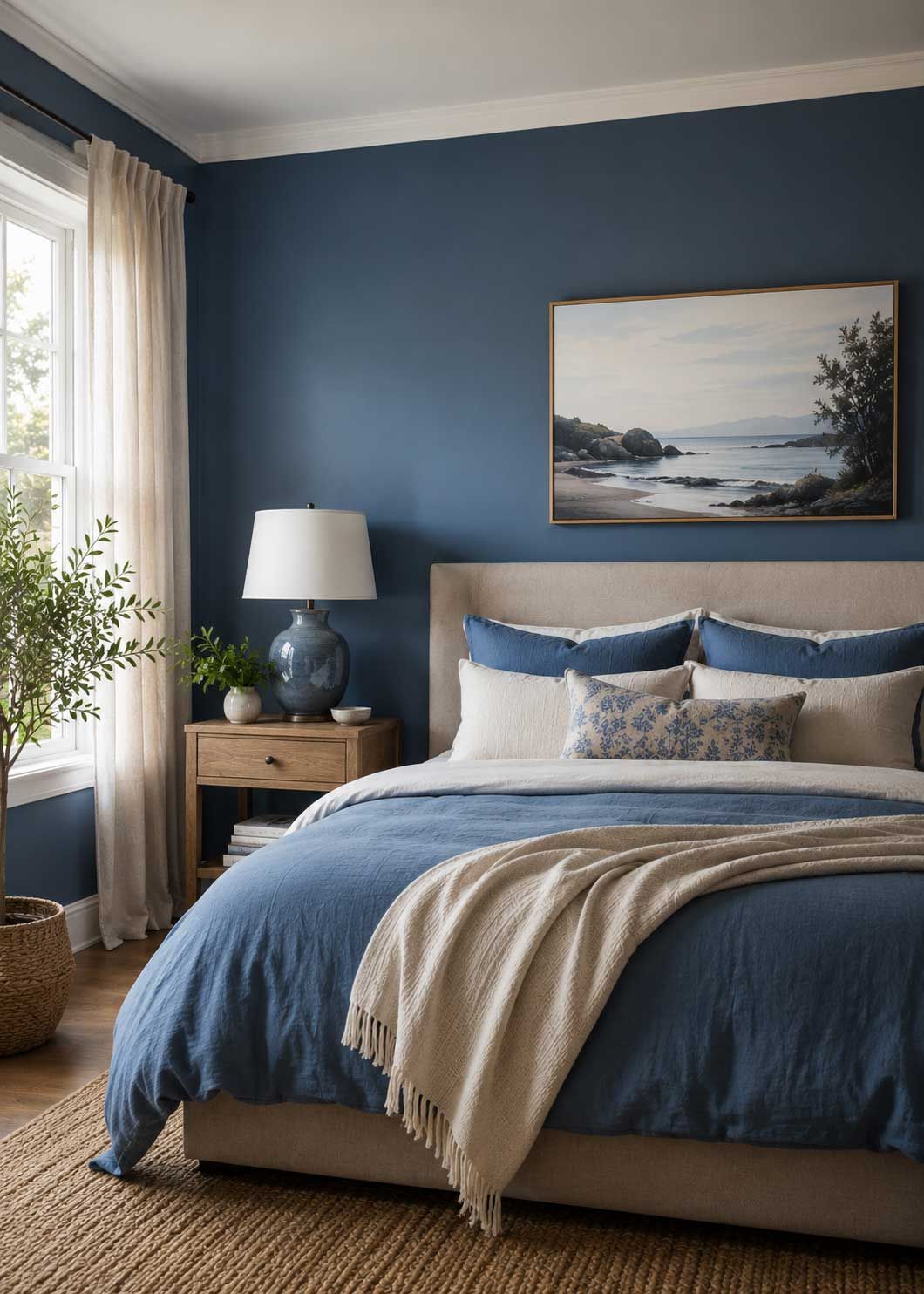
Blue is one of the most popular colours in home design, and for good reason. It is often associated with calmness, stability and relaxation. Inspired by the sky and ocean, blue tends to create a sense of peace that works beautifully in bedrooms, bathrooms and quiet living areas.
Lighter blues can make a room feel airy and spacious, while deeper navy tones add sophistication and comfort.
Blue is also commonly used in home offices because it can encourage focus and concentration without feeling overwhelming.
Best rooms for blue:
- Bedrooms
- Bathrooms
- Home offices
- Reading nooks
Green: Balance, Nature and Wellbeing
Green has become increasingly popular in recent years, and it's easy to see why. Closely connected to nature, green promotes feelings of balance, renewal and wellbeing.
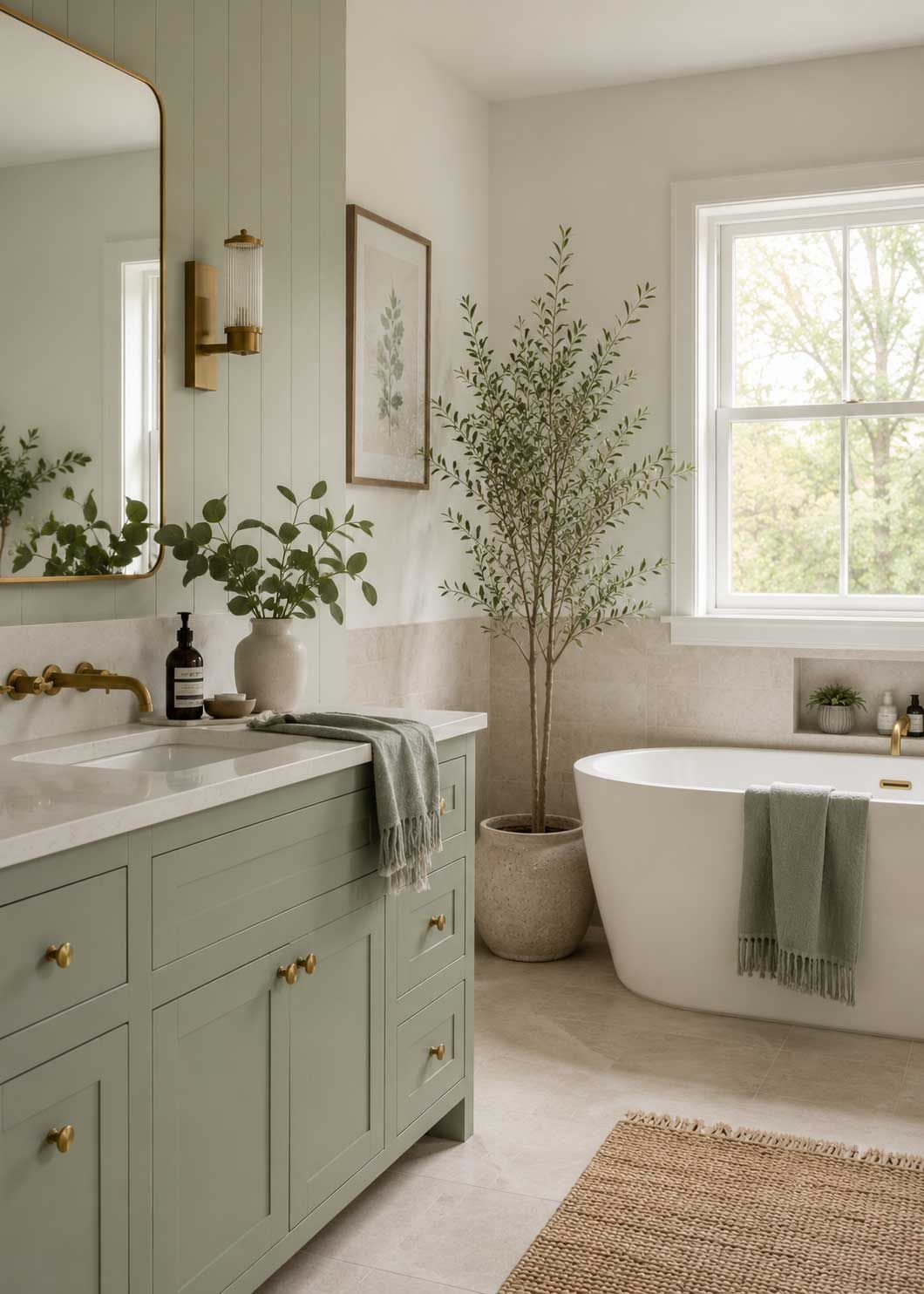
Soft sage greens create a relaxed atmosphere, while deeper forest greens add richness and warmth. Green works particularly well in homes where people want to create a connection with the outdoors.
Because green sits in the middle of the colour spectrum, it's often considered one of the easiest colours to live with long term. It feels fresh without being too stimulating and calming without feeling dull.
Best rooms for green:
- Living rooms
- Bedrooms
- Kitchens
- Entryways
Yellow: Happiness and Optimism
Yellow is often linked to sunshine, warmth and positivity. Used thoughtfully, it can make a space feel cheerful and welcoming.
However, yellow is one of those colours where balance is important. Bright yellows can feel energising and playful, but too much can become overwhelming. Softer buttery yellows or muted golden tones tend to be easier to incorporate into everyday living spaces.
Yellow works particularly well in areas where people gather and socialise.
Best rooms for yellow:
- Kitchens
- Dining rooms
- Breakfast nooks
- Family rooms
Red: Energy and Excitement
Red is one of the most emotionally intense colours. It creates energy, passion and excitement, making it a powerful choice when used strategically.
While few people choose bright red walls throughout their home, red can be highly effective as an accent colour. A red armchair, artwork, rug or decorative accessories can add warmth and personality to a space without overwhelming it.
Because red naturally draws attention, it's often best used in moderation.
Best rooms for red:
- Dining rooms
- Entertainment spaces
- Accent areas
- Home bars or games rooms
Orange: Warmth and Social Connection
Orange combines the energy of red with the optimism of yellow. The result is a colour that feels warm, welcoming and sociable.
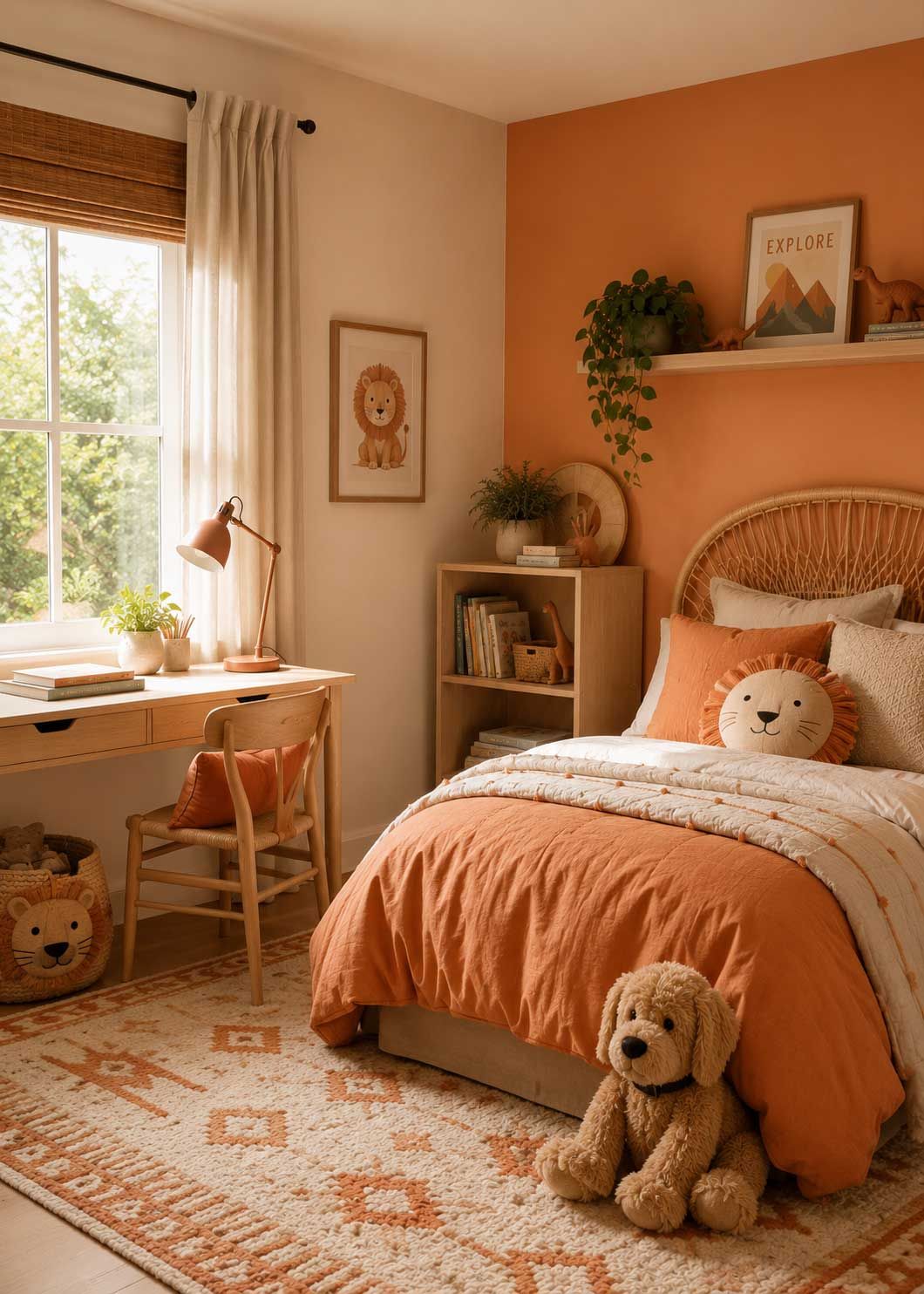
Modern versions of orange often appear as terracotta, rust or burnt orange rather than bright citrus tones. These earthy shades bring warmth and character while remaining sophisticated and easy to style.
Orange can work particularly well in homes that embrace natural materials, timber furniture and earthy décor.
Best rooms for orange:
- Living rooms
- Dining areas
- Outdoor entertaining spaces
- Creative workspaces
Pink: Comfort and Softness
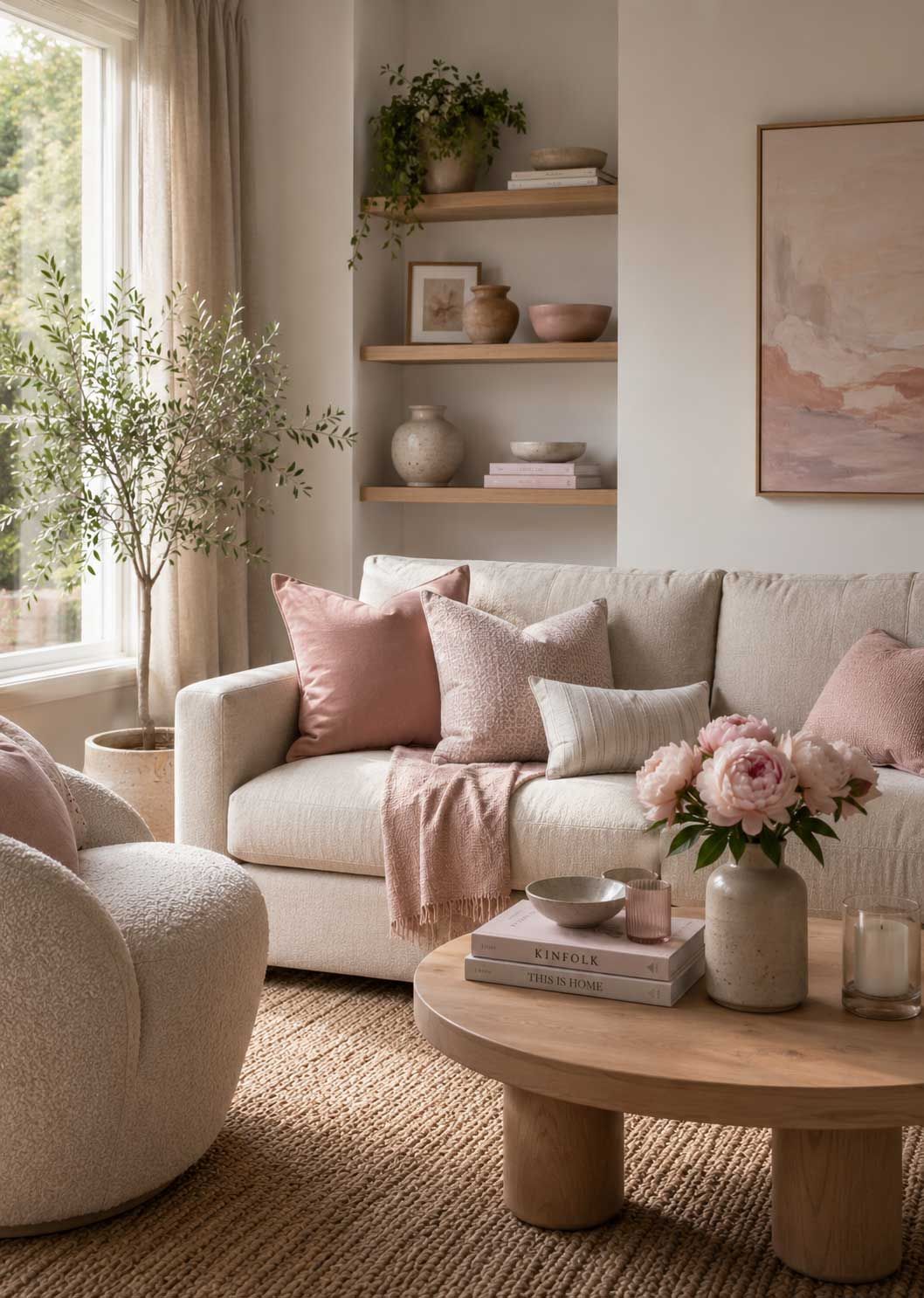
Pink has evolved significantly in interior design over the past decade. No longer reserved for children's bedrooms, pink is now widely used in sophisticated and contemporary homes.
Soft blush pinks create warmth and comfort, while dusty pinks add elegance and depth. Pink can make a room feel nurturing and welcoming, making it a wonderful choice for bedrooms, sitting rooms and reading corners.
When paired with natural textures, timber and neutral tones, pink can feel surprisingly timeless.
Best rooms for pink:
- Bedrooms
- Nurseries
- Sitting rooms
- Dressing rooms
Purple: Creativity and Luxury
Purple has long been associated with luxury and creativity. Depending on the shade, it can feel dramatic, elegant or playful.
Deep plum and aubergine tones bring richness and sophistication, while lighter lavender shades create a softer, more calming atmosphere.
Purple is often best used as an accent colour rather than a dominant colour, especially in smaller rooms.
Best rooms for purple:
- Bedrooms
- Creative studios
- Guest rooms
- Accent walls
Neutrals: Comfort and Flexibility
Neutral colours remain popular because they provide a versatile foundation for almost any design style.
Whites, creams, beiges, greys and warm taupes create a sense of calm and allow furniture, artwork and decorative pieces to take centre stage. They can make rooms feel larger, brighter and more timeless.
However, not all neutrals are equal. Warm neutrals tend to feel inviting and cosy, while cooler greys can sometimes feel more formal or modern.
Layering different neutral tones and textures helps prevent a space from feeling flat or sterile.
Best rooms for neutrals:
- Any room in the home
- Open-plan living areas
- Hallways
- Small spaces
How Lighting Changes Colour
One of the most important things to remember is that colour never exists in isolation. The amount of natural light a room receives can dramatically affect how a colour appears.
A soft grey that looks warm and inviting in a sun-filled room may appear much cooler in a south-facing space. Similarly, deep greens and blues can appear richer in well-lit rooms but darker and moodier in spaces with limited natural light.
Before committing to a paint colour, always test samples on your walls and observe them at different times of the day.
Choosing Colours Based on Room Function
Rather than selecting colours purely because they're fashionable, consider how you use each room.
If you're designing a bedroom, calming colours such as blue, green or soft neutrals may help create a restful atmosphere. For a kitchen or dining space, warmer colours can encourage conversation and social connection. A home office may benefit from colours that support focus and productivity.
The goal is to create a home that not only looks beautiful but also supports the way you live.
Final Thoughts
Colour is one of the most powerful tools in home design. It can make a room feel larger or smaller, brighter or cosier, energetic or relaxing. By understanding the emotions different colours can evoke, you can create spaces that support your lifestyle and enhance your everyday experience.
The best colour palette for your home isn't necessarily the latest trend. It's the one that makes you feel comfortable, happy and at ease every time you walk through the door. Whether you prefer calming greens, cheerful yellows, sophisticated blues or warm earthy tones, choosing colours with intention can transform the way your home feels as well as the way it looks.
More Posts About Colour

About The Author
I'm Channing and I am the driving force behind Platypus and Pine. I've had over 30 years of experience in designing, renovating and customising Australian homes.
I've used everything from aluminium to velvet as decor choices and love a wide variety of styles and themes.
My absolute favourite is Mid Century Modern and I was fortunate enough to spend 2 weeks in Palm Springs for Modernism week just last year.