
How to Combine Texture and Minimalist Design
Create A Minimalist Look With Texture For Added Interest
Minimalist design has remained popular for years, and it's easy to see why. Clean lines, uncluttered spaces and a focus on simplicity can create homes that feel calm, organised and timeless. However, one of the biggest criticisms of minimalist interiors is that they can sometimes feel cold, sterile or lacking in personality.
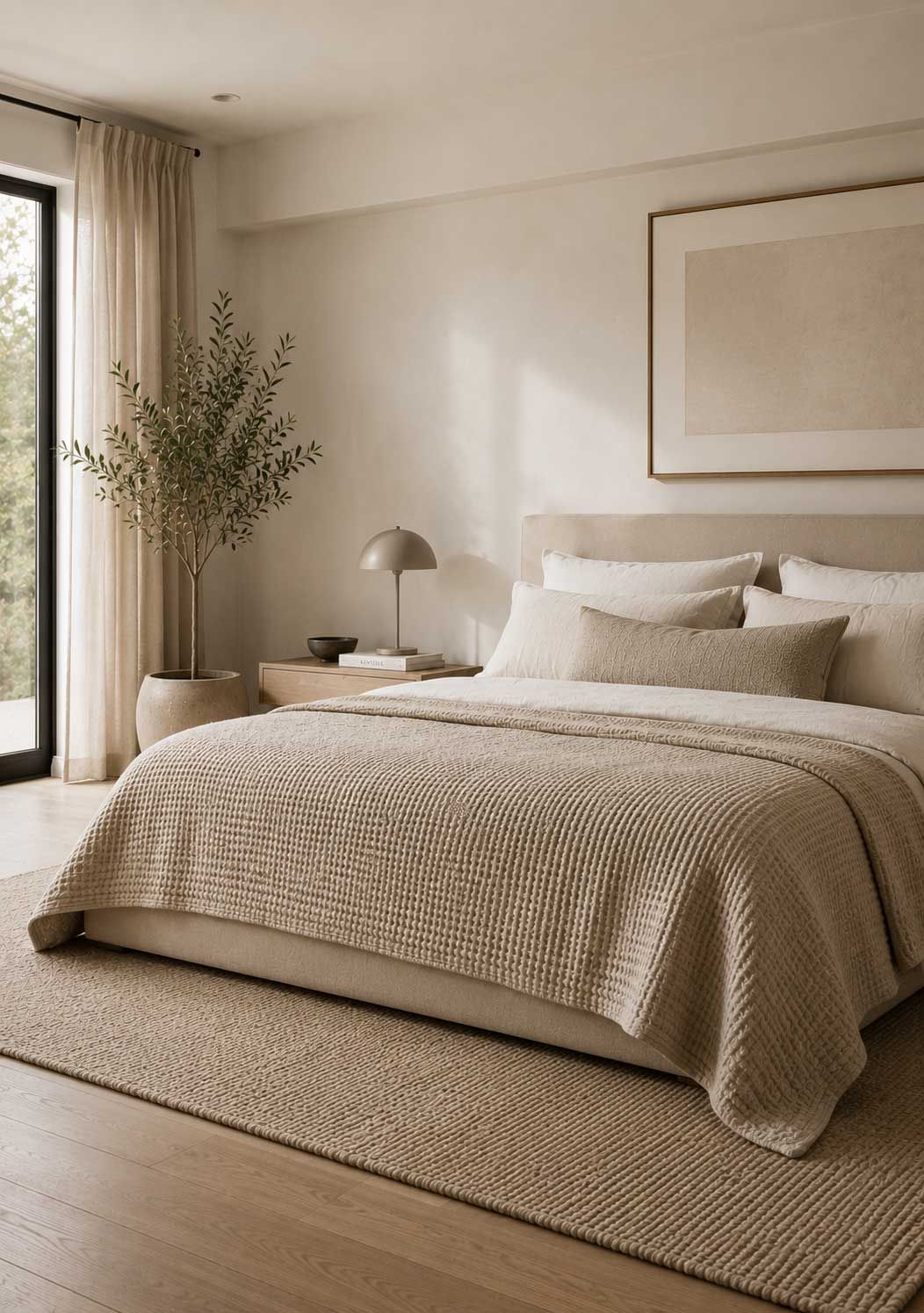
The good news is that minimalist design doesn't have to mean living in a space that feels empty or uninspiring. One of the most effective ways to add warmth, comfort and visual interest to a minimalist home is through texture.
By layering different materials, finishes and fabrics, you can create a home that feels welcoming and sophisticated while still embracing the simplicity that makes minimalist design so appealing.
Here's how to combine texture and minimalist design to create a space that feels both stylish and comfortable.
Why Texture Matters in Minimalist Spaces
In many decorating styles, colour, pattern and decorative accessories provide visual interest. Minimalist design takes a different approach by reducing unnecessary elements and focusing on only the essentials.
When there are fewer decorative features competing for attention, texture becomes far more important.
Texture adds depth and character without creating visual clutter. It encourages people to engage with a space on a more subtle level, noticing the softness of a linen sofa, the grain of natural timber or the warmth of a woven rug.
Without texture, minimalist rooms can sometimes feel flat. With it, they become layered, inviting and full of personality.
Start with a Neutral Colour Palette
Many minimalist homes rely on a neutral colour palette, which provides the perfect backdrop for introducing texture.
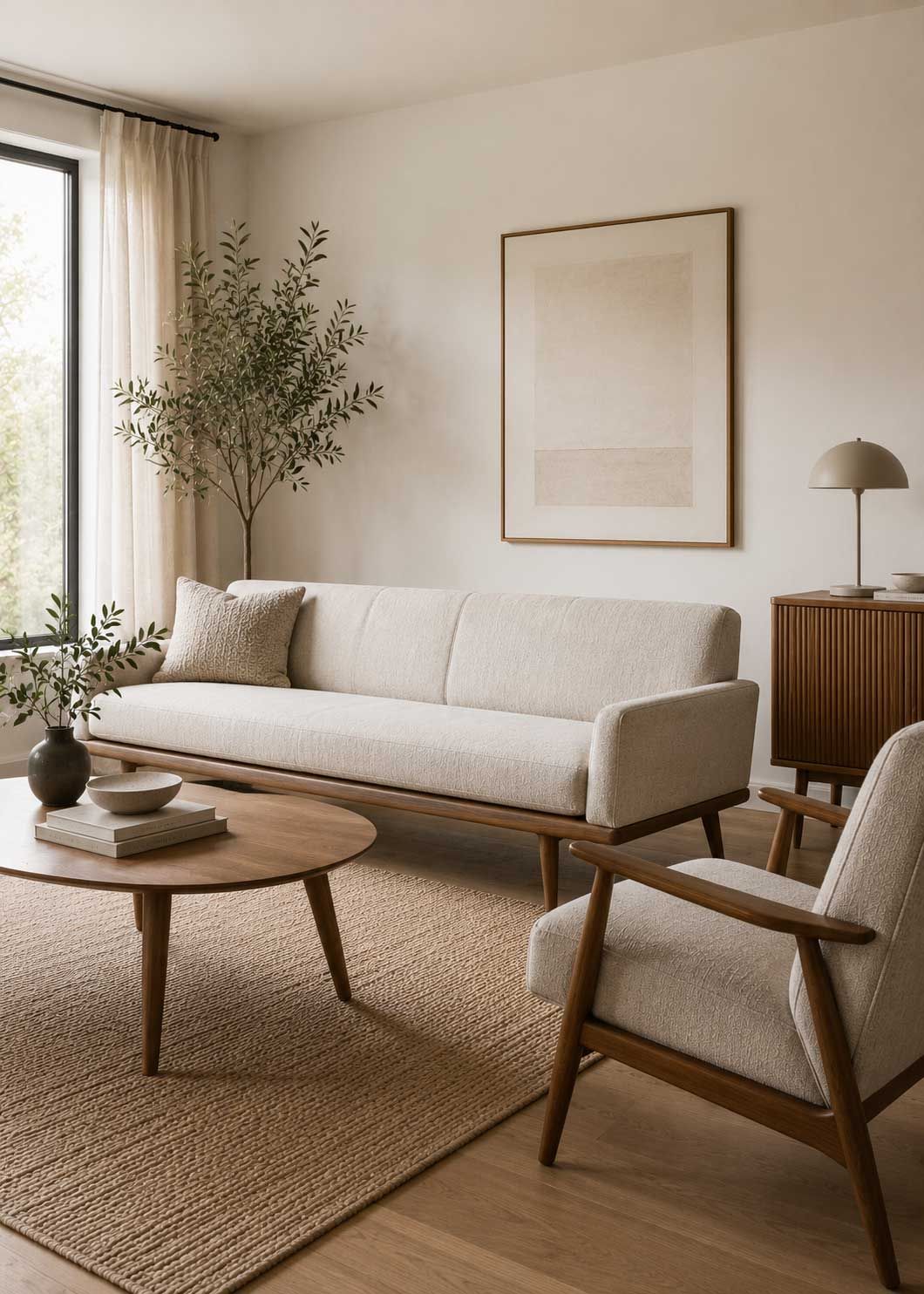
Whites, creams, soft greys, warm taupes and earthy beiges allow different materials and finishes to stand out naturally. Instead of using bold colours to create contrast, texture becomes the feature.
For example, a room may include:
- A linen sofa
- A timber coffee table
- A wool rug
- Ceramic vases
- Cotton curtains
Even though all of these elements may sit within a similar colour palette, the variation in texture creates visual interest and prevents the room from feeling monotonous.
A neutral foundation also helps maintain the calm and uncluttered appearance that minimalist design is known for.
Embrace Natural Materials
Nature provides some of the best textures available for interior design.
Natural materials bring warmth and authenticity into a home while supporting the simplicity of minimalist styling.
Some excellent options include:
Timber
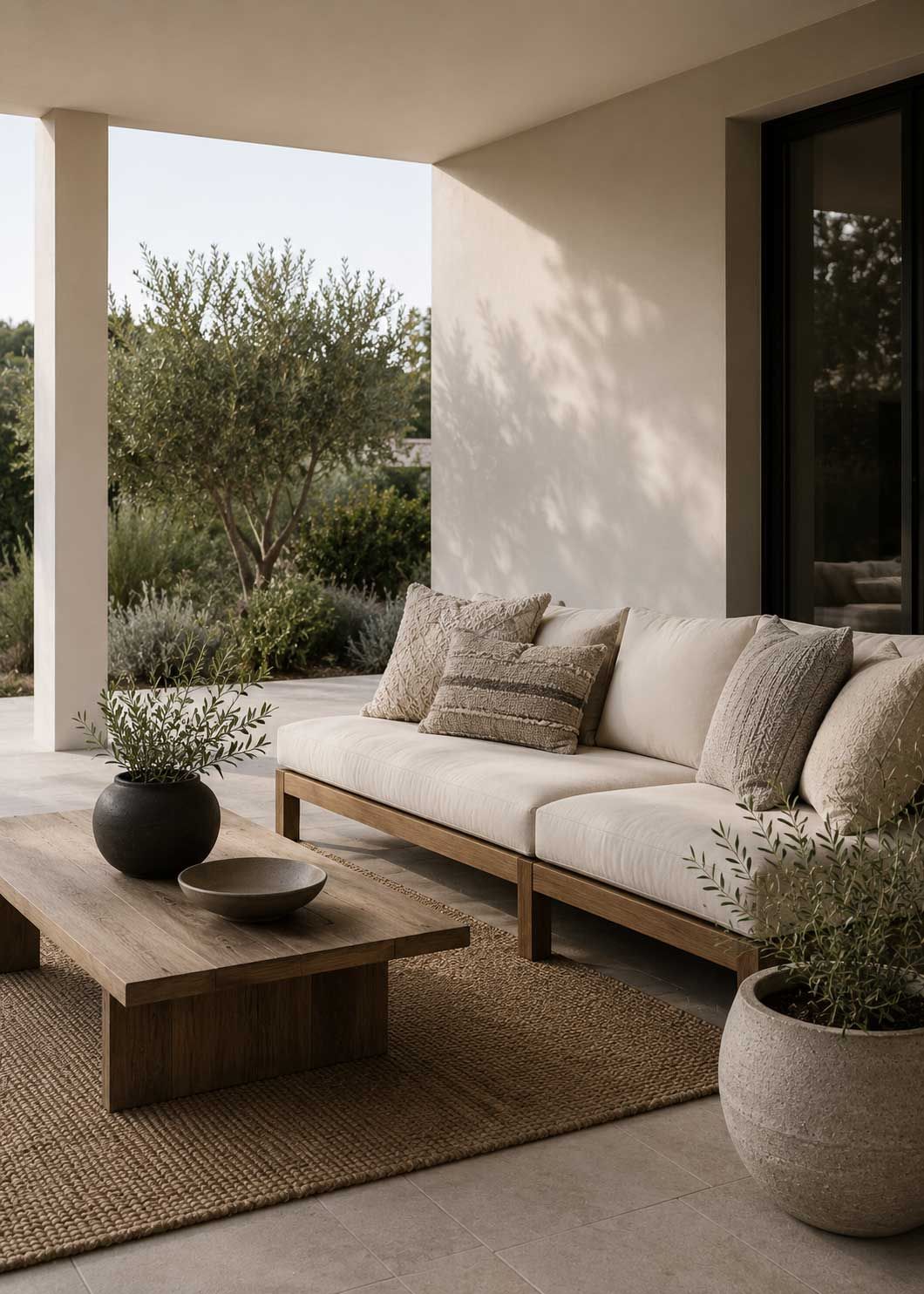
Natural timber introduces warmth that instantly softens minimalist interiors. Whether it's flooring, furniture or decorative accessories, timber adds character through its grain, colour variations and imperfections.
Light oak, ash and maple are popular choices for modern minimalist spaces, while darker timbers can add richness and contrast.
Stone
Stone surfaces bring subtle texture and visual depth. Marble, travertine, limestone and concrete all work beautifully in minimalist homes.
The natural variation found in stone prevents large surfaces from appearing flat while maintaining a clean and sophisticated look.
Rattan and Cane
Woven materials such as rattan and cane add softness and an organic feel. These materials work particularly well in living rooms, bedrooms and home offices where they can introduce texture without overwhelming the space.
Leather
Leather provides a beautiful balance between luxury and practicality. Whether used on a chair, ottoman or decorative accessory, leather develops character over time and adds depth to minimalist interiors.
Layer Different Fabrics
Fabric is one of the easiest ways to introduce texture into a home.
A minimalist room doesn't need dozens of decorative items to feel inviting. Instead, a few carefully selected textiles can transform the atmosphere completely.
Consider layering:
- Linen bedding
- Chunky knit throws
- Cotton cushions
- Wool rugs
- Sheer curtains
- Bouclé furniture
The goal is not to create excessive layering but rather to combine a small number of complementary textures.
For example, a minimalist bedroom might feature crisp cotton sheets, a linen quilt cover and a soft knitted throw. The room remains simple, but the combination of textures creates warmth and comfort.
Use Texture Instead of Pattern
Many minimalist interiors avoid bold patterns because they can introduce visual busyness.
Texture offers an excellent alternative.
Rather than choosing patterned cushions or heavily printed wallpaper, consider materials that create interest through their surface and finish.
Examples include:
- Textured plaster walls
- Fluted timber panels
- Ribbed glass
- Handmade ceramics
- Woven baskets
- Bouclé upholstery
These elements provide depth and personality without disrupting the clean aesthetic of the room.
Don't Forget Walls and Ceilings
When people think about texture, they often focus on furniture and décor. However, walls and ceilings can also play an important role.
Textured wall treatments can add significant character while still supporting a minimalist design style.
Options include:
- Limewash paint
- Venetian plaster
- Timber wall panelling
- Vertical battens
- Textured wallpaper
- Exposed brick in neutral tones
These finishes create subtle movement and visual interest without requiring additional decoration.
In minimalist homes, where every design choice matters, textured walls can become a feature in their own right.
Add Warmth Through Rugs
Large open spaces are common in minimalist design, but they can sometimes feel cold without the right furnishings.
A rug helps anchor a room while introducing texture and comfort underfoot.
Natural fibre rugs are particularly effective. Consider:
- Wool
- Jute
- Sisal
- Cotton blends
The texture of a rug can create contrast against timber flooring, polished concrete or large format tiles.
In living rooms and bedrooms, rugs help define spaces while contributing to a more relaxed and welcoming atmosphere.
Incorporate Handmade and Imperfect Pieces
Minimalism is sometimes associated with perfection, but the most inviting minimalist homes often embrace a degree of imperfection.
Handmade pieces add authenticity and texture that mass-produced items often lack.
Consider including:
- Hand-thrown ceramics
- Artisan pottery
- Woven baskets
- Handmade timber furniture
- Natural stone accessories
These pieces introduce subtle irregularities that make a room feel more lived-in and personal.
The result is a space that feels curated rather than staged.
Balance Smooth and Rough Surfaces
One of the secrets to successful texture layering is contrast.
When every surface feels the same, a room can lose visual impact. Combining smooth and rough finishes creates balance and keeps the eye engaged.
For example:
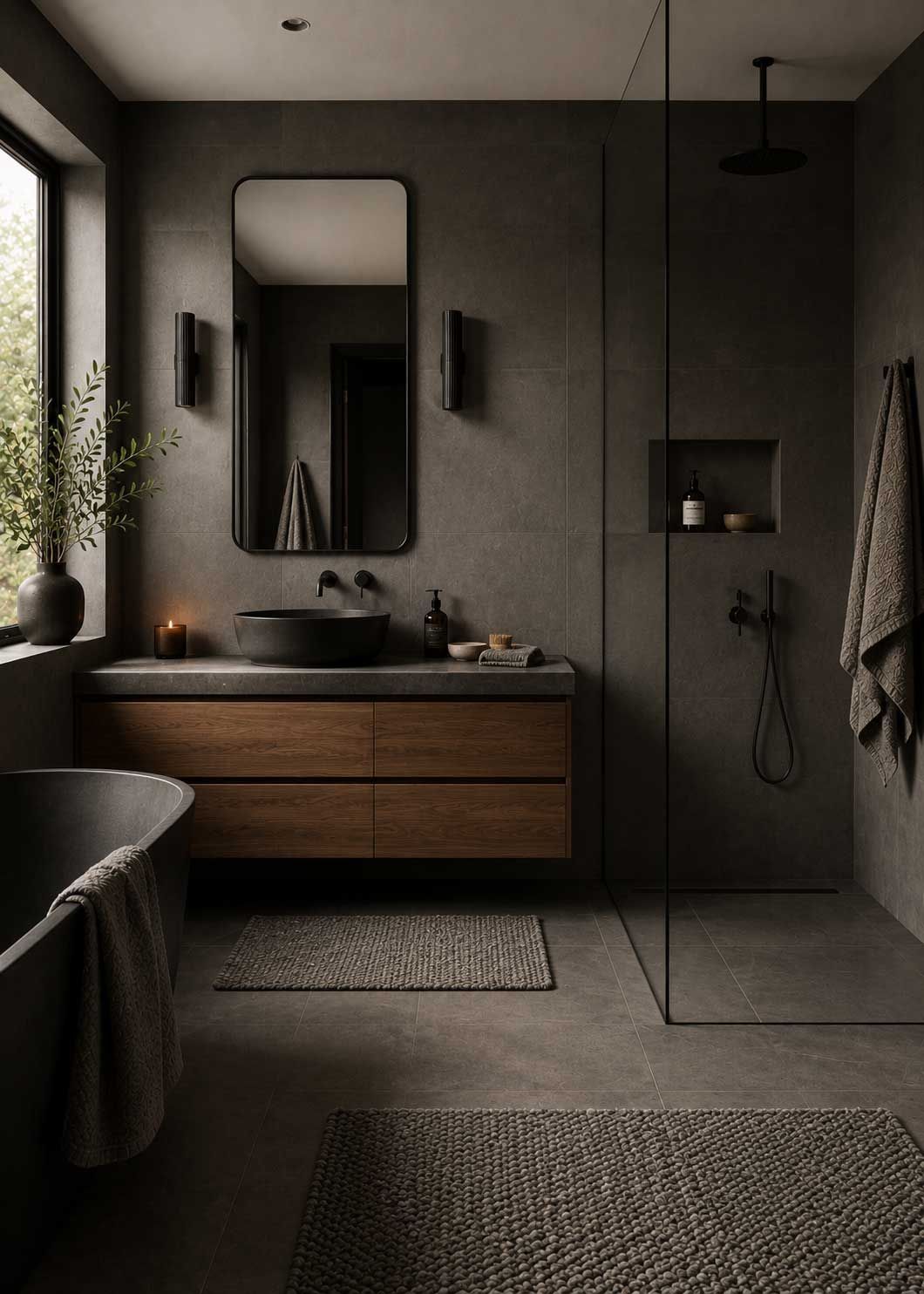
- Smooth stone paired with rough timber
- Soft linen alongside polished metal
- Plush wool against concrete
- Matte finishes next to glossy surfaces
The contrast doesn't need to be dramatic. Even subtle differences can make a significant difference to the overall feel of a room.
Avoid Overcrowding the Space
Texture should enhance minimalist design, not compete with it.
A common mistake is introducing too many textures at once. When every item is highly textured, the room can start to feel busy and lose the simplicity that makes minimalism appealing.
Instead, focus on a few key elements.
Choose a limited selection of materials and repeat them throughout the room. This creates consistency while allowing each texture to stand out.
Remember that negative space is just as important as the objects within it.
Room-by-Room Texture Ideas
Living Room
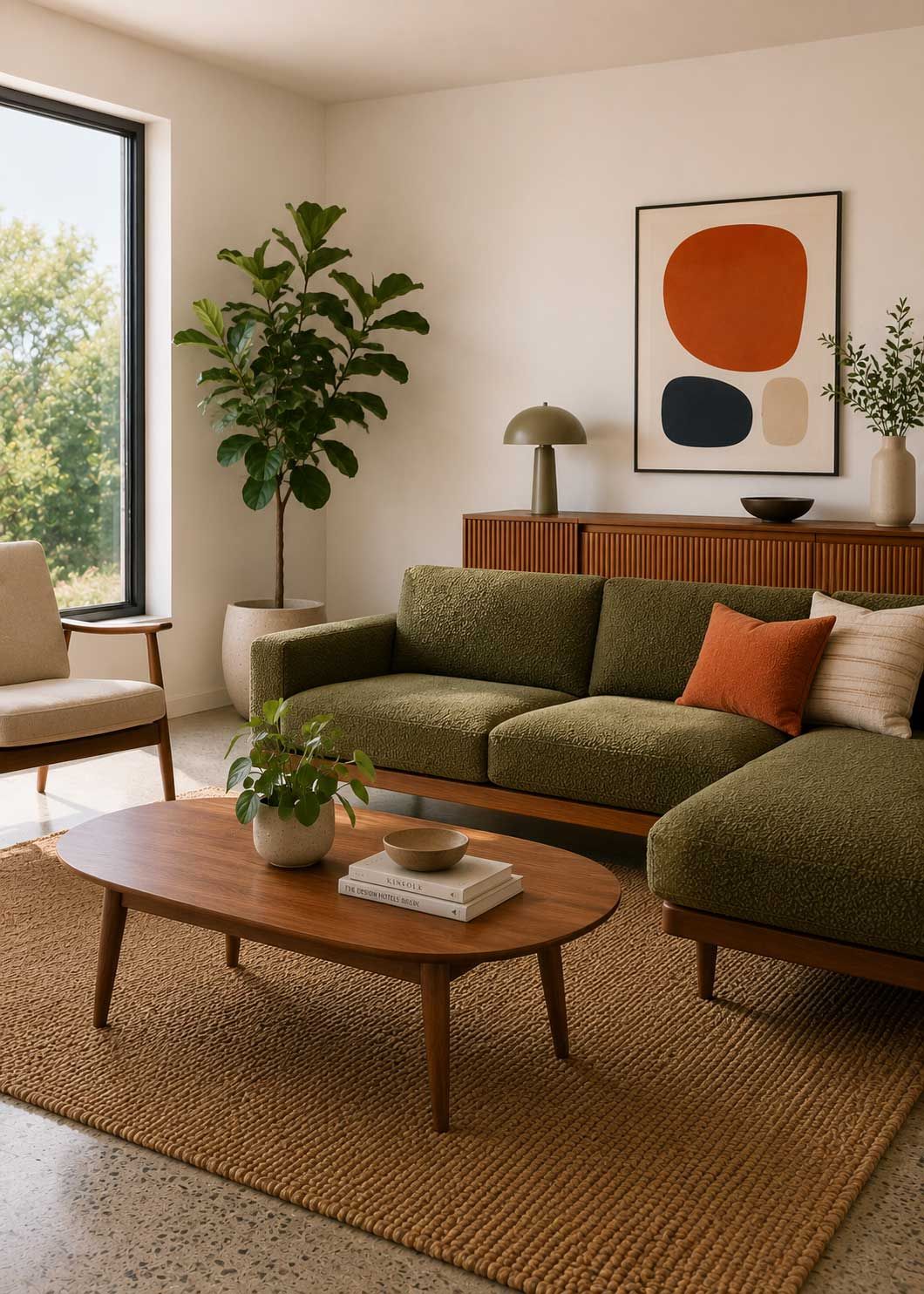
Combine a linen sofa, timber coffee table, wool rug and ceramic accessories. Add a few plants to introduce natural texture and softness.
Bedroom
Layer linen bedding with a knitted throw and upholstered bedhead. Include timber furniture and soft curtains for additional warmth.
Bathroom
Use natural stone, textured towels, timber accents and woven storage baskets. A small plant can soften hard surfaces and add visual interest.
Dining Room
Pair a solid timber dining table with upholstered chairs and simple ceramic tableware. A woven pendant light can provide texture overhead.
Final Thoughts
Minimalist design isn't about removing everything from a room. It's about being intentional with what remains.
Texture allows you to create warmth, depth and character without relying on excessive decoration, bold colours or busy patterns. Through natural materials, layered fabrics and thoughtful contrasts, you can create a home that feels both beautifully simple and genuinely comfortable.
The most successful minimalist spaces aren't empty. They're carefully considered environments where every material contributes to the overall feeling of calm, balance and connection. By focusing on texture, you can achieve a minimalist look that feels welcoming, timeless and perfectly suited to everyday living.

About The Author
I'm Channing and I am the driving force behind Platypus and Pine. I've had over 30 years of experience in designing, renovating and customising Australian homes.
I've used everything from aluminium to velvet as decor choices and love a wide variety of styles and themes.
My absolute favourite is Mid Century Modern and I was fortunate enough to spend 2 weeks in Palm Springs for Modernism week just last year.