
Creating a Mid-Century Modern Bedroom on a Budget
Mid-Century Modern Doesn't Have To Be Expensive

Mid-century modern design has been a favourite for decades, and it’s easy to understand why. With its clean lines, warm timbers, and balance of form and function, it brings both character and calm to a space.
In Australia, where open-plan living, natural light, and relaxed lifestyles are at the heart of how we design our homes, this style feels particularly at home. The best part? You don’t need a designer budget to create the look.
With a bit of creativity, some clever sourcing, and a few simple DIY projects, you can craft a mid-century modern bedroom that feels stylish, timeless, and uniquely yours.
Understanding Mid-Century Modern Style
Before diving into furniture shopping or paint swatches, it’s worth understanding what makes this style so distinctive. Mid-century modern design celebrates simplicity, practicality, and the beauty of natural materials.
Furniture pieces tend to feature clean lines and uncomplicated shapes, no ornate details or heavy embellishments. Warm timber tones such as teak, walnut, and Tasmanian oak are staples, while tapered legs add that instantly recognisable retro charm.
Colour also plays an important role. A balanced mix of neutrals, think creams, greys, and soft beige, is often contrasted with bold pops of mustard, rust, olive, or teal.
Organic shapes appear throughout the design, from rounded edges on tables and mirrors to sculptural lamp bases and curved bedheads.
It’s a look that works beautifully in Australian homes. Our large windows and open layouts naturally highlight the style’s light, uncluttered feel. Locally sourced timbers like Tasmanian oak or blackwood suit it perfectly, while earthy tones mirror the colours of our landscapes, from coastal sands to rich desert hues.
Features of Mid-Century Design
Although mid-century interiors can vary considerably, there are several characteristics that help identify the style. Don't forget mid-century design has almost obtained location based styles associated with it. For example, Palm Springs is known for its mid-century homes and buildings, however I personally refer to most of these as Palm Springs Mid-Century mostly because when I think of that particular style I thing COLOUR!
Upstate New York also has some stunning examples but here you will find the palate much more muted and inline with a more "nature" based feel.
So I guess first, its a case of deciding what kind of mid-century look you would like in your home.
Clean, simple lines: Furniture generally features uncluttered shapes, with an emphasis on horizontal lines, gentle curves and geometric forms. Decoration is usually minimal, allowing the design itself to stand out.
Functional furniture: Mid-century furniture was designed to be useful as well as attractive. Pieces often have practical proportions, clever storage or flexible uses rather than unnecessary decorative features.
Natural timber: Timber plays an important role, particularly teak, walnut, oak and other warm-toned woods. Sideboards, dining tables, bed frames and occasional chairs often showcase the natural beauty of the timber grain.
Tapered and slender legs: One of the most recognisable features is furniture raised on slim, angled legs. This creates a lighter appearance and allows more of the floor to remain visible.
Organic and geometric shapes: Mid-century design combines straight architectural lines with softer, sculptural forms. Curved chairs, rounded tables, globe lighting and abstract geometric patterns are all characteristic of the period.
A connection to nature: Large windows, natural materials, indoor plants and an easy transition between indoor and outdoor living are important elements, particularly in mid-century architecture.
A distinctive colour palette: Mustard yellow, olive green, burnt orange, teal and warm browns are strongly associated with the style. However, mid-century interiors also used plenty of neutrals, and not every room was filled with bold colours.
Innovative materials: While timber is prominent, mid-century designers also embraced moulded plywood, fibreglass, plastic, metal and glass. Combining traditional and emerging materials was part of what made the movement so progressive.
What Isn't Mid-Century And Should Be Avoided
This is where things become a little confusing.
Just because something was popular during the 1950s or 1960s doesn't automatically make it mid-century modern.
Mid-century refers broadly to a historical period, while mid-century modern describes a particular design movement within that period.
For example, highly decorative traditional furniture, elaborate floral wallpaper and ornate interiors all existed during the mid-century years, but they don't necessarily reflect mid-century modern design principles. There are also several common misconceptions worth clearing up.
Not everything retro is mid-century modern. A brightly coloured 1950s diner, complete with chrome stools, checkerboard flooring and neon signs, is certainly retro, but it represents a different design aesthetic.
Not all vintage furniture is mid-century. Vintage simply refers to an item's age. A Victorian-style dressing table or heavily carved timber cabinet doesn't become mid-century modern just because it's old.
Tapered legs alone don't define the style. Modern furniture manufacturers frequently add angled legs to otherwise contemporary pieces. While this can create a mid-century influence, it doesn't automatically make the entire design mid-century modern.
Mid-century doesn't mean covering everything in orange and mustard. Although these colours are associated with the era, authentic mid-century interiors could be surprisingly restrained. Natural timber, white walls, black accents and carefully selected furniture were just as important.
Mid-century isn't the same as Art Deco. Art Deco generally features more glamorous, decorative styling, often incorporating symmetry, luxurious finishes and bold geometric ornamentation. Mid-century modern design tends to favour simpler forms and functionality.
Mid-century doesn't mean recreating a 1960s time capsule. You don't need vintage wallpaper, an orange sofa and a collection of retro accessories to achieve the look. In fact, too many period references can make a room feel themed rather than thoughtfully designed.

Starting with the Basics: Choose Your style
Which Mid-Century Style Suits Your LIfe and Home?
One of the wonderful things about mid-century design is how adaptable it can be. While the basic principles remain the same, clean lines, functional furniture and interesting shapes, the overall look can vary enormously.
You might love the bright colours and relaxed holiday atmosphere of Palm Springs, prefer the sophisticated urban style of New York, or be drawn to the softer, more natural approach of Scandinavian design.
Here are three different interpretations of mid-century modern to help you discover which one appeals to you.
1. Palm Springs Modern: Colourful, Playful and Relaxed
Palm Springs is probably one of the most recognisable interpretations of mid-century modern design. Think sunshine, swimming pools, colourful furniture and homes designed to embrace indoor-outdoor living.
This style embraces the fun side of mid-century design, combining bold colours, geometric patterns and sculptural furniture with a relaxed, resort-inspired atmosphere.
Key features: Bright turquoise, coral, mustard and orange, white walls, terrazzo flooring, breeze blocks, statement lighting and playful geometric shapes.
You'll love this style if: You enjoy colour, personality and a relaxed atmosphere. It's particularly well suited to Australian homes with outdoor entertaining areas, swimming pools and plenty of natural light.
2. New York Mid-Century: Urban, Sophisticated and Architectural
If Palm Springs is all about sunshine and colour, New York-inspired mid-century design offers a more refined, urban interpretation.
Think elegant apartments, beautiful timber furniture, expansive glass windows and a combination of natural and industrial materials. This look often blends mid-century furniture with the architectural character of New York lofts and modern city apartments.
Key features: Walnut timber, charcoal, black, grey and cream, concrete surfaces, glass, metal, leather furniture and sophisticated sculptural lighting.
You'll love this style if: You prefer understated elegance, architectural details and a more masculine or minimalist aesthetic. It works particularly well in contemporary apartments and homes with open-plan living spaces.
3. Scandinavian Mid-Century: Natural, Simple and Timeless
Scandinavian mid-century design takes a softer, more understated approach, focusing on beautiful craftsmanship, natural materials and furniture designed for everyday living.
Rather than relying on bold colours or dramatic architectural features, this style celebrates simplicity, comfort and thoughtful design. Light timber furniture, gently curved chairs, soft textiles and neutral colours create rooms that feel calm and welcoming.
Key features: Oak and teak furniture, cream and white walls, muted greens and blues, organic shapes, natural fabrics and simple pendant lighting.
You'll love this style if: You enjoy uncluttered spaces, natural textures and a relaxed, timeless aesthetic. It's an excellent choice for Australian homes where you want a mid-century influence without creating an overly retro appearance.
Finding Your Own Mid-Century Look
Of course, you don't have to choose just one. You might love the timber furniture and simplicity of Scandinavian design but want to introduce a few colourful Palm Springs accessories. Or perhaps you prefer New York's sophisticated palette with a statement mid-century armchair in burnt orange.
The beauty of mid-century modern is that these different interpretations share enough common design principles to work together.
Start with the version that appeals to you most, then introduce individual pieces, colours and materials that reflect your personality.
The result should feel like your home, not a perfectly recreated room from the 1960s.
Furniture That Fits Your Budget
Furniture is the foundation of your bedroom, but it’s also where costs can quickly add up. Thankfully, mid-century design lends itself well to repurposing and mixing vintage with new. Start by focusing on the essentials, your bed, bedside tables, and storage, then layer in pieces gradually.
A mid-century bed frame is usually low to the ground, simple in structure, and made from timber. You don’t have to buy brand-new to achieve this look. Local op-shops and vintage stores often carry sturdy 1960s or 70s furniture with lasting craftsmanship. Online marketplaces like Facebook or Gumtree are treasure troves for affordable finds, search terms like retro bed, teak frame, or Scandi style often turn up great options.
If you already own a bed frame that’s looking tired, a weekend DIY project can transform it. Sand the surface and apply a warm walnut or teak stain for an instant mid-century glow. Even a basic pine frame can look far more expensive with the right finish.
When it comes to bedside tables, don’t worry about finding a perfectly matching pair. The charm of mid-century style often lies in subtle mismatching. Try repurposing timber stools, vintage crates, or inexpensive tables and giving them a uniform stain or paint finish for cohesion.
For storage, sleek dressers and tallboys with clean drawer fronts are key. Look for simple silhouettes and avoid ornate handles. You can refresh a dated veneer piece with laminate paint or new brass knobs. Even flat-pack options in a walnut finish can feel elevated once you swap out the hardware for something a little more stylish.

Affordable Styling with Colour and Texture
Colour sets the tone for your entire bedroom. Start with a neutral base that keeps the space bright and relaxed, warm whites and soft greys work beautifully in our sunny climate. If you want to introduce a touch of retro personality, choose an accent colour like mustard yellow, olive green, or burnt orange for a feature wall or painted headboard.
A fun and affordable DIY trick is to paint only half the wall in your chosen accent colour, keeping the upper section light and airy. This simple technique adds visual interest while nodding to the playful geometry of the era.
For bedding, think understated comfort. Linen or cotton in earthy tones like sand, clay, or sage brings warmth, while a geometric throw or patterned cushions add a subtle retro edge. A mix of cushion shapes, such as a rectangular lumbar pillow paired with square ones, gives the bed an inviting, layered look without feeling fussy.
Texture is also key to creating depth. Add a jute or wool rug underfoot, hang lightweight linen curtains to soften the room, and combine smooth surfaces like timber and ceramic with plush materials such as velvet or wool. The goal is a space that feels tactile and lived-in, not showroom perfect.

Lighting on a Budget
Lighting is one of the easiest ways to capture the essence of mid-century design. Look for floor or table lamps with tripod bases, curved arms, or drum-shaped shades. These instantly give your bedroom a polished retro feel without needing to replace major fixtures.
Discount homeware stores and online marketplaces often carry budget-friendly versions of iconic mid-century shapes. If you already have a lamp that’s a bit outdated, give it a quick refresh with matte spray paint and a new linen or rattan shade.
Overhead lighting also deserves attention. Swap out a basic pendant for a glass or opal globe fixture, or choose a woven rattan pendant to bring in a softer, more organic touch that complements timber furniture beautifully. Just be careful not to end up with a mix of materials none of which make sense together. Clean, clean clean remember!
Check our some great lighting options at the end of this article.
Incorporating Timber Without the Price Tag
Timber is at the heart of mid-century design, but solid wood furniture can be expensive. Luckily, there are many ways to achieve the look for less. Pieces finished in timber veneer or laminate can look authentic when styled thoughtfully. You can also introduce smaller touches of wood through picture frames, floating shelves, or decorative bowls.
Local salvage yards and timber offcut suppliers often sell small pieces of quality wood that can easily be sanded, oiled, and turned into bedside shelves or plant stands. Mixing different timber tones can also work well, provided they share a similar warmth, think honey, caramel, and chocolate hues rather than cool greys.
The Finishing Touches: Accessories with Personality
Accessories are where your bedroom truly comes to life. Wall art in particular can set the tone, abstract or geometric prints in retro colours tie the look together beautifully. You can even paint your own using a canvas, some masking tape, and a few well-chosen shades.
Vintage travel posters, botanical illustrations, or simple line drawings framed in timber or black work perfectly within the theme. Arrange them symmetrically for a crisp, mid-century finish.
When choosing rugs, look for flat-weave or low-pile designs in earthy tones like terracotta, ochre, or olive. Geometric patterns help ground the space and add character without overwhelming it.
No mid-century space feels complete without greenery. Potted plants bring warmth and freshness, helping balance the structured lines of the furniture. Choose easy-care natives such as kangaroo paw, indoor gums, or ferns, and display them in ceramic or terracotta pots for an authentic touch.

Get Creative and Make Your Own Mid-Century Décor
One of the best things about mid-century design is that you don't need an enormous budget to achieve the look. In fact, half the fun can be finding forgotten treasures and giving them a new lease on life!
Keep an eye on Facebook Marketplace, Gumtree, eBay and your local op shops for old timber furniture, interesting lamps, sideboards and occasional chairs that could benefit from a little TLC. Learning how to sand, refinish and restore timber can be incredibly rewarding, and you might be surprised at what a beautiful piece of furniture is hiding beneath years of scratches or an outdated finish.
If you're feeling particularly creative, why not learn some basic sewing skills? Making your own cushion covers is a fantastic way to introduce those gorgeous mid-century colours and geometric patterns without spending a fortune.
Once you've mastered the basics, you could even tackle curtains or other soft furnishings. Look for vintage-inspired fabrics in mustard, olive, burnt orange or bold abstract prints. The beauty of taking a DIY approach is that you'll create pieces that are genuinely unique to your home.
And there's something particularly satisfying about looking around a beautifully styled room and knowing that some of its most interesting features are things you've made or restored yourself.
Shopping Options For Mid-Century Furnishings In Australia
Despite what you might think, the big stores often have some great mid-century inspired pieces, particularly Ikea. Freedom also does a lot of lighter styled dining sets and Bunnings often has some nice mid-century styled outdoor pieces.
Other than that, try local markets, op shops and if you are looking to splurge on maybe just one impressive piece, try local refurbishment businesses like Replica or Rewind Mid-Century in Brisbane, Tangerine & Teal in Sydney or Grandfathers Axe in Melbourne if you are looking for original peices.
Some Lighting Options
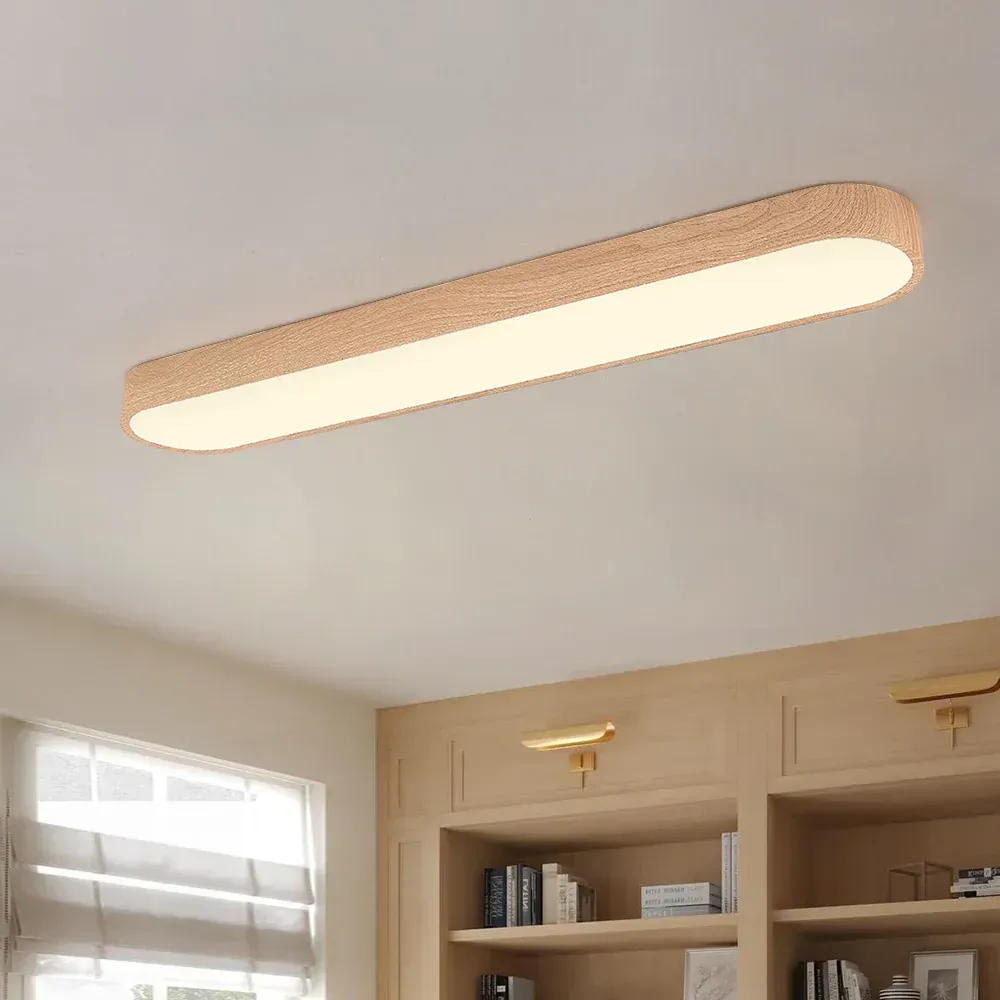
This very minimalist oval overhead from Pentantlightie will allow you to have amazing light but keep your mid century style. It is only $150 too.
Choice of light tone, timber surround & size.
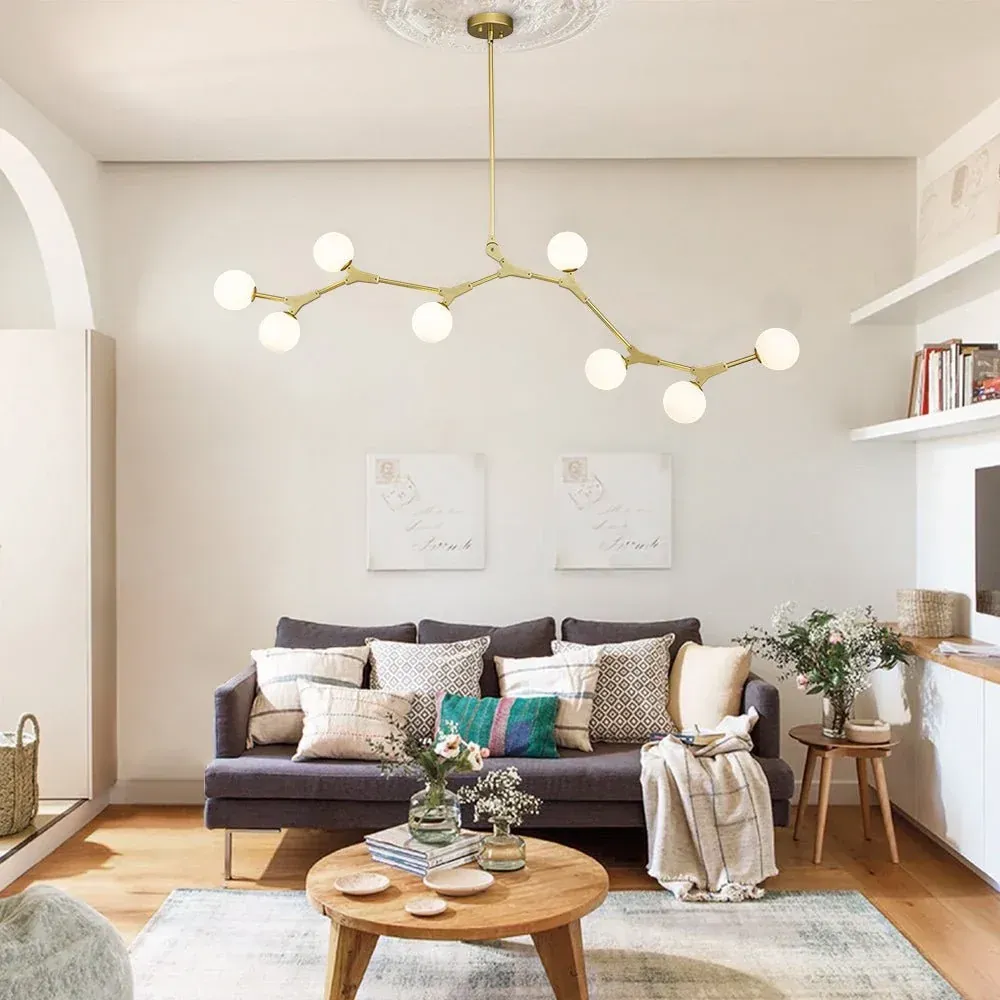
While this could probably do well in both a mid-century home and an art deco one, the furnishings in your room will decide its direction.
You will get nice soft light but an abundance of light and an impressive light fitting like this means you can go much cleaner with your other furnishings.
Also from Pendantlightie and on sale for $335.00
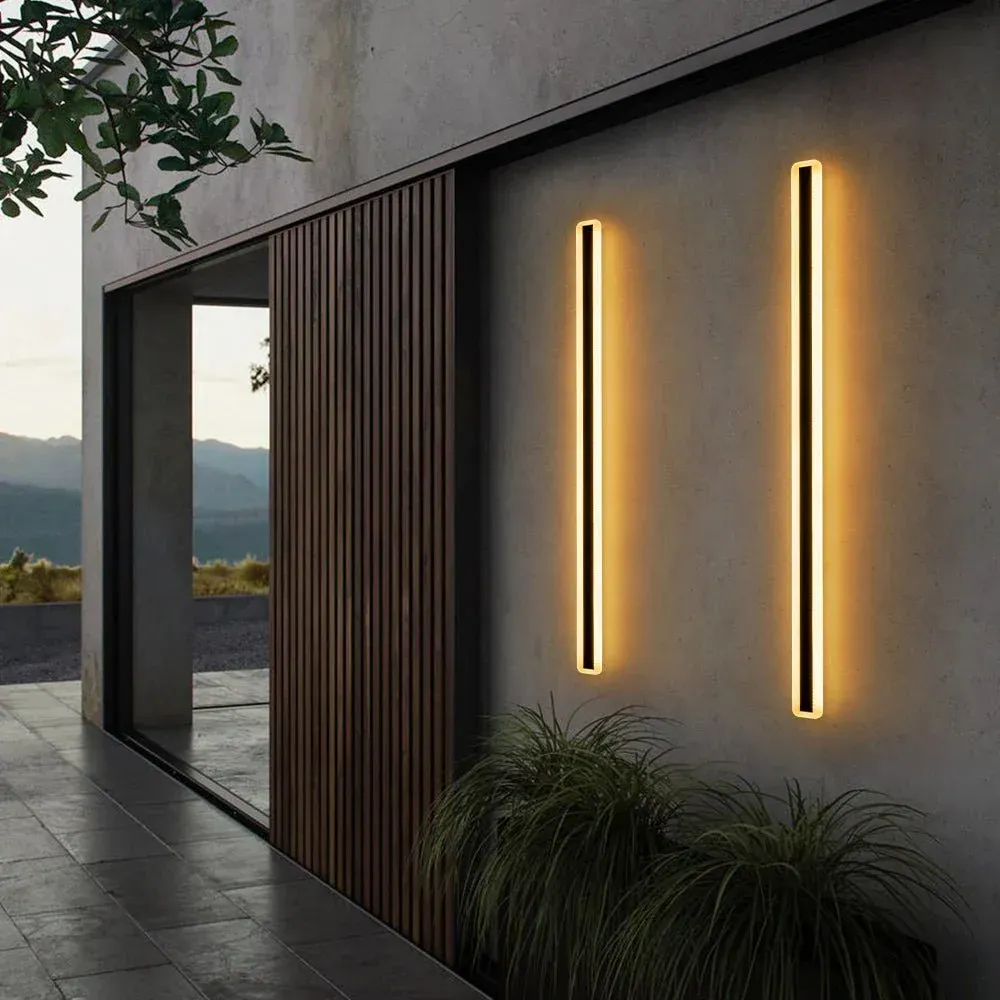
These are actually waterproof outdoor LED lighting but I don't see any reason you couldn't use them inside.
I imagine a hallway with a few of these guiding you down the path, in a non creepy sense of course!
Priced just under $300 they are available in 4 different sizes.
More Mid-century decor Posts


About The Author
I'm Channing and I am the driving force behind Platypus and Pine. I've had over 30 years of experience in designing, renovating and customising Australian homes.
I've used everything from aluminium to velvet as decor choices and love a wide variety of styles and themes.
My absolute favourite is Mid Century Modern and I was fortunate enough to spend 2 weeks in Palm Springs for Modernism week just last year.