
Best Indoor Plants to Green up Your Home
Plants That Will Brighten Your Home
You'll transform your space into a vibrant indoor oasis with several foolproof houseplants. Start with low-light champions like snake plants, ZZ plants, and pothos, which thrive even in dim conditions and forgive irregular watering. Peace lilies and spider plants help purify your air while adding natural beauty. For pet owners, Boston ferns and parlor palms offer safe options. Let's explore how these versatile plants can enhance every room in your home.
Low-Light Champions: Plants That Thrive in Darker Spaces
There is a few beloved houseplants consistently outperform others in dimly lit spaces: the snake plant, ZZ plant, peacae lilies, a variety of ferns and pothos.
These resilient plants have adapted to thrive in low-light conditions, making them perfect for north-facing windows or rooms with minimal natural light.
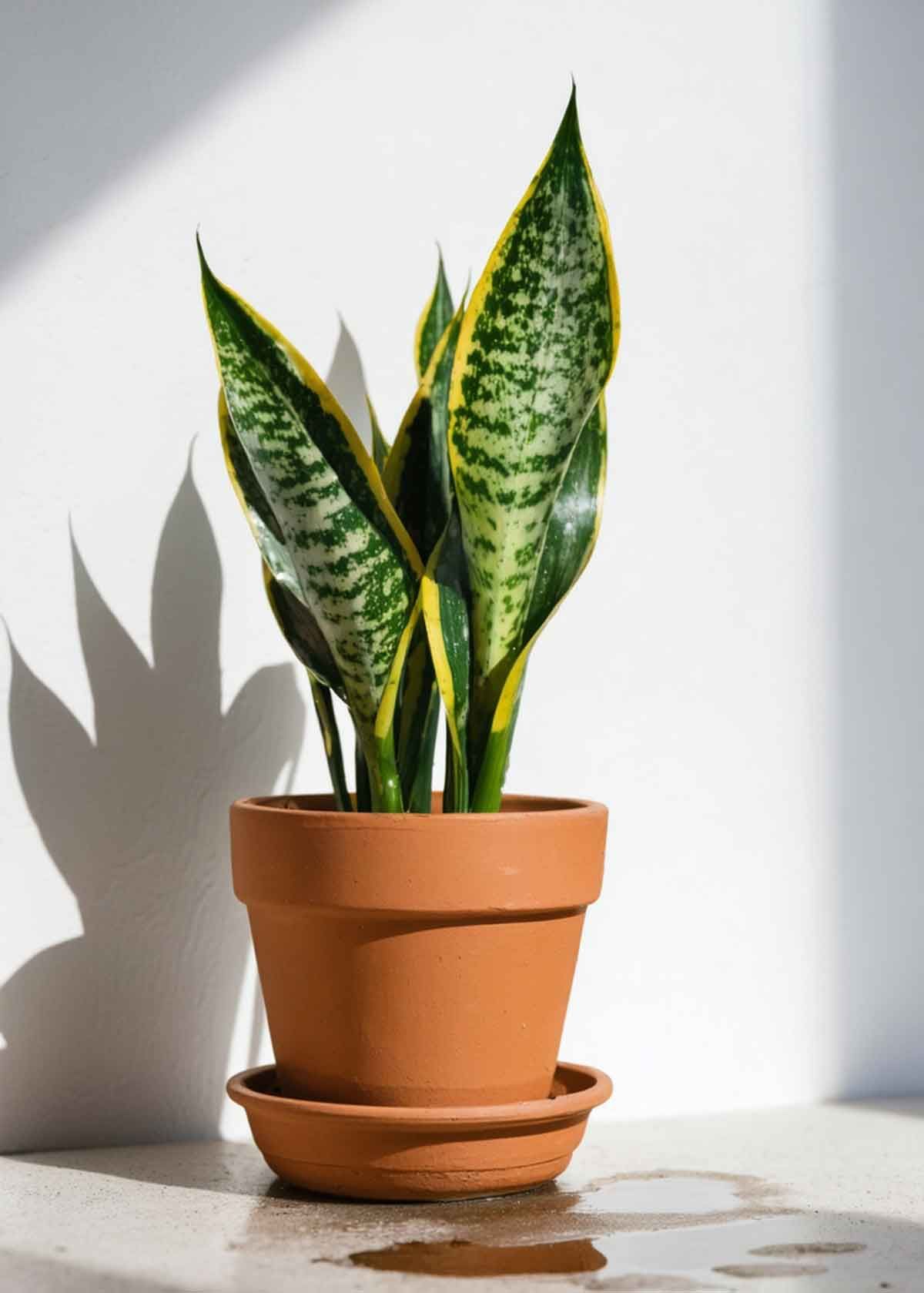
The snake plant's tall, rigid leaves filter air pollutants while requiring minimal care. You'll find it nearly impossible to kill this drought-tolerant plant.
The ZZ plant boasts glossy, dark green leaves and can survive in almost total darkness, thanks to its water-storing rhizomes. Don't worry about frequent watering - it's highly drought-resistant.
Pothos vines feature heart-shaped leaves in various patterns and colours, growing vigorously even in shadowy corners. They'll tell you when they need water by slightly drooping their leaves.
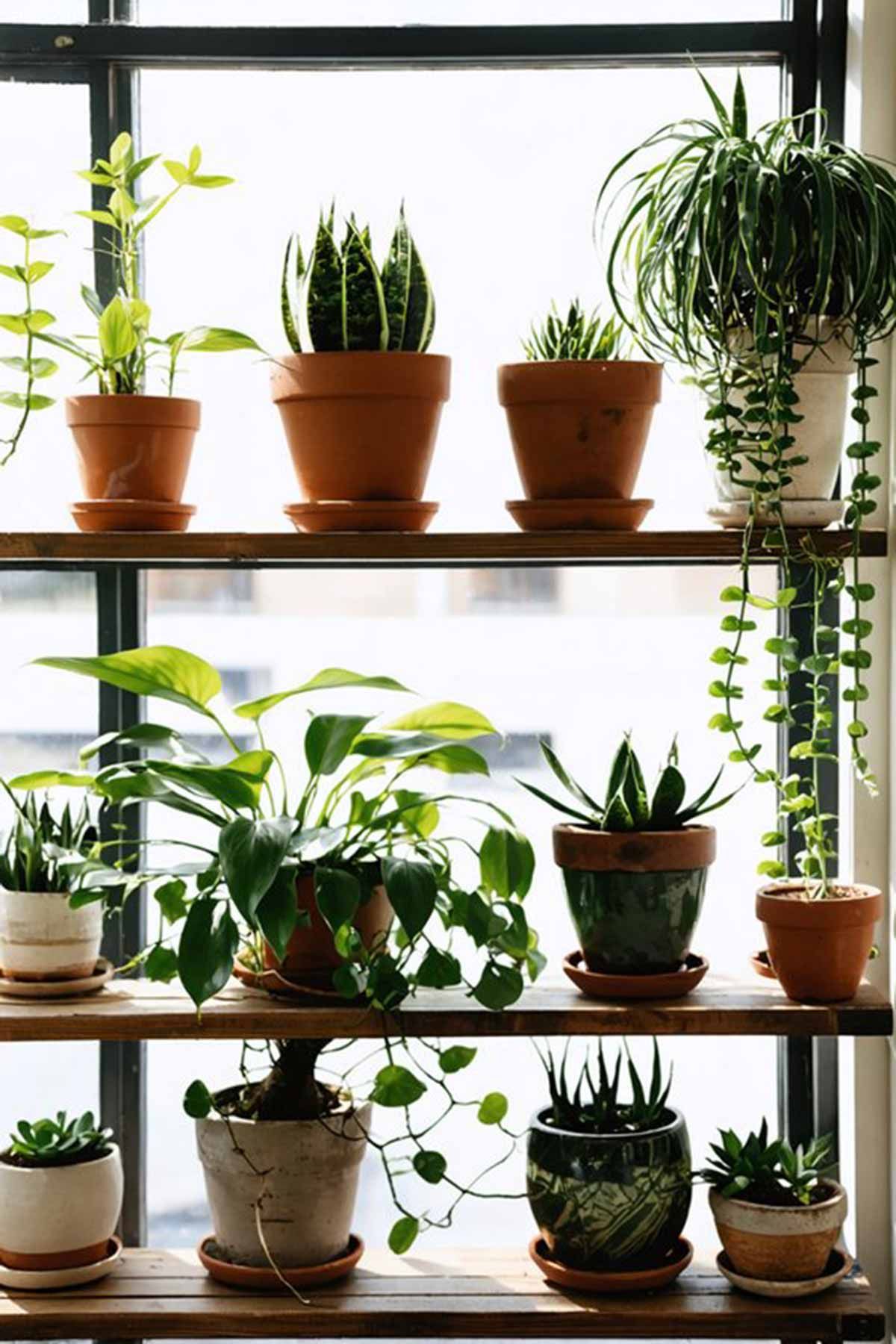
Beginner-Friendly Indoor Plants for New Plant Parents
If you're just starting your indoor gardening journey, you'll find comfort in knowing there are plenty of plants that can handle less-than-perfect conditions.
Plants like the Snake Plant, ZZ Plant, and Pothos are ideal first-timers since they'll flourish even with minimal light and irregular watering patterns.
These sturdy plants won't punish you for missing a watering day, making them perfect companions while you develop your green thumb.
Low-Light Plant Champions
Looking to start your indoor garden but worried about limited natural light? Several plants thrive in shadier spots and can transform dark corners into lush green spaces. However, there are many plants that will be suitable as long as they don't stay in darker places for too long.
I have a maidenhair fern that I have moved maybe 5 or 6 times and it just wasn't doing well. I thought I was overwatering it, then I thought I was underwatering it and I just couldn't figure it out. Finally our cleaner moved it from the bathroom when she was cleaning the walls and put it on a bench in our bedroom right next to a window.
The window gets no direct light (it faces south) but that damn fern LOVES it there. It is powering along now and every now and again I move it to somewhere more obvious and as long as I don't leave it there for more than a few weeks, it copes just fine.
The ZZ plant stands out as a top performer, tolerating very low light while maintaining its glossy leaves. Snake plants also excel in dim conditions and help purify the air with their tall, architectural fronds.
For hanging options, consider pothos or philodendron varieties. These vining plants adapt well to low light and create striking cascades from shelves or baskets.
Chinese evergreen (Aglaonema) offers beautiful variegated foliage and grows steadily in darker environments. Cast iron plant lives up to its name with remarkable durability, while peace lilies bring elegant white blooms even in minimal light conditions.
Minimal Care Requirements
New plant parents often feel intimidated by complex care routines, but many indoor plants require minimal attention to thrive.
Snake plants, pothos, and ZZ plants top the list of low-maintenance options that forgive occasional neglect. These hardy varieties can survive irregular watering schedules and adapt to various light conditions.
You'll find success with spider plants and Chinese evergreens, which only need watering when their soil feels dry.
Peace lilies make excellent starter plants too - they'll dramatically droop their leaves when thirsty, giving you a clear signal it's time to water.
Most of these plants don't require frequent fertilizing; a dose every few months during growing season is sufficient.
Simply dust their leaves occasionally, trim any yellow foliage, and they'll reward you with healthy growth year-round.
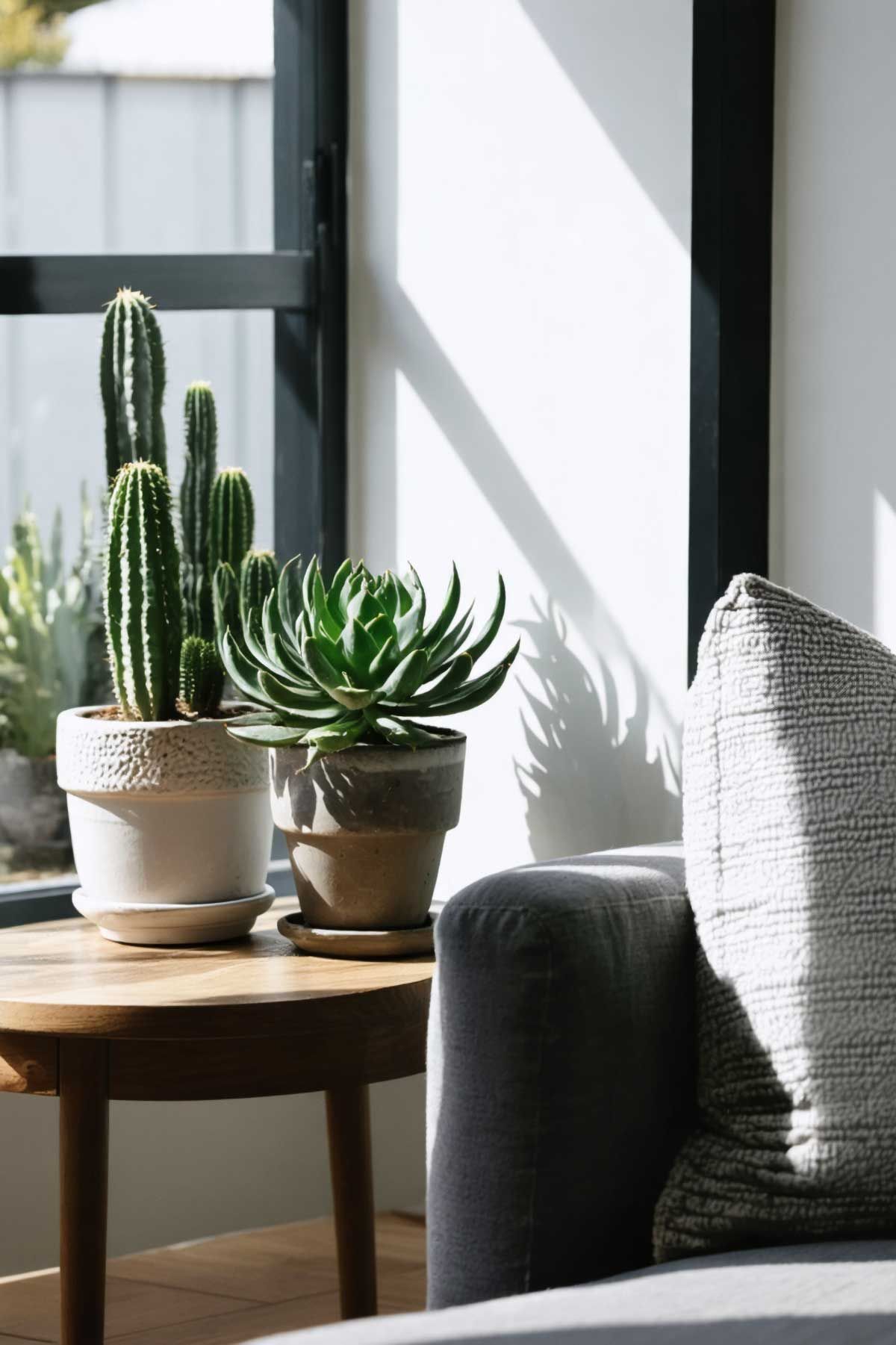
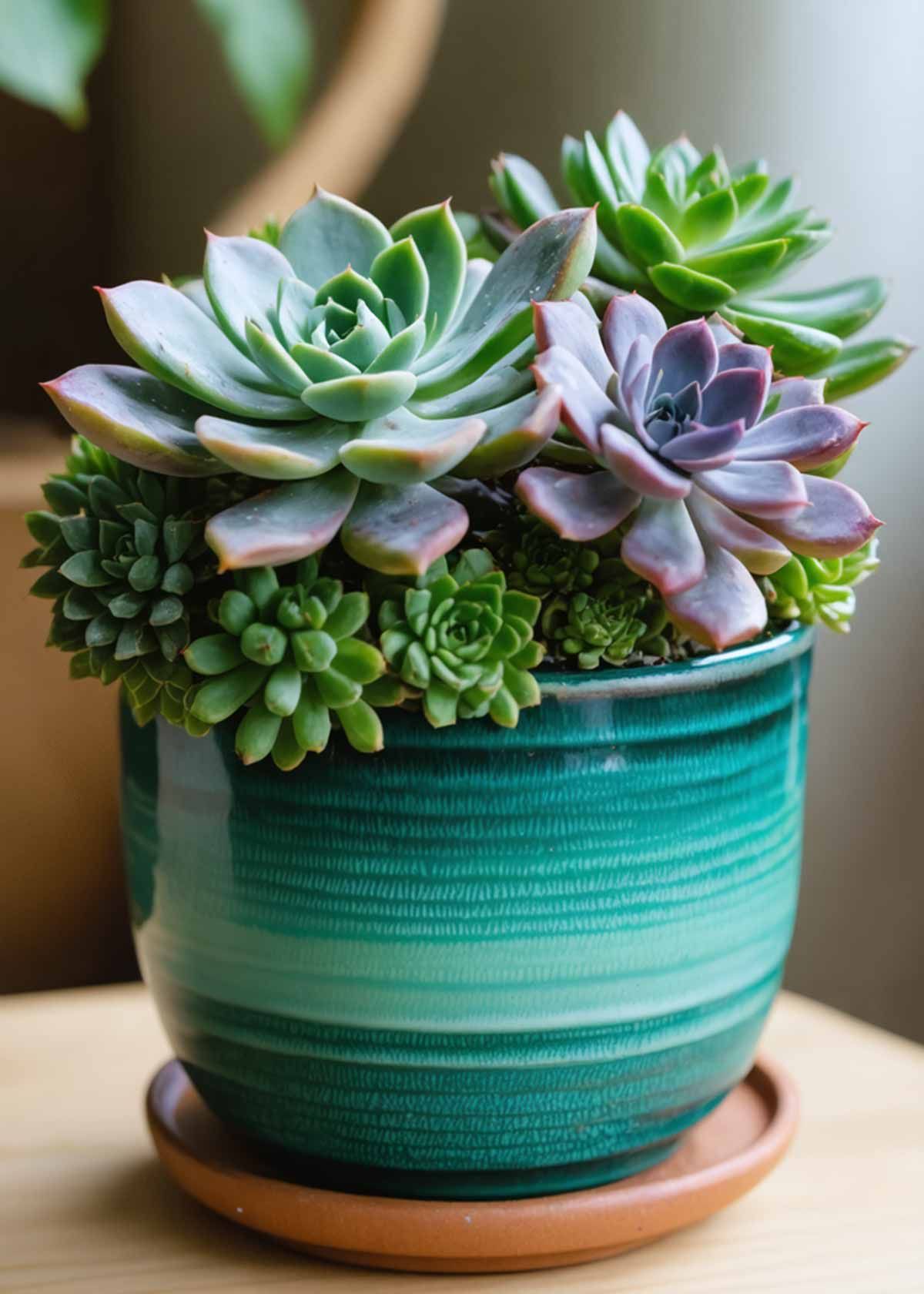
NB: While lots of people think that succulents are minimal care, they aren't really. They do require a good amount of full sun to thrive and will also love a good watering routine. They aren't cacti, they do love to be fed by both sun and water so you have to be quite careful where you put them inside.
Easy Watering Schedule
While many beginners worry about proper plant watering, most indoor varieties actually prefer a simple schedule based on soil moisture.
You'll know it's time to water when the top inch of soil feels dry to the touch. For most plants, this means watering once every 7-10 days during growing season and less frequently in winter.
Snake plants, ZZ plants, and pothos are particularly forgiving if you forget a watering session. They'll bounce back easily from occasional drought.
On the flip side, peace lilies will dramatically droop their leaves when thirsty, giving you a clear signal it's time to water.
Just stick to the finger test method - if the soil feels dry an inch deep, water thoroughly until it runs from the drainage holes, then wait until the soil dries again.
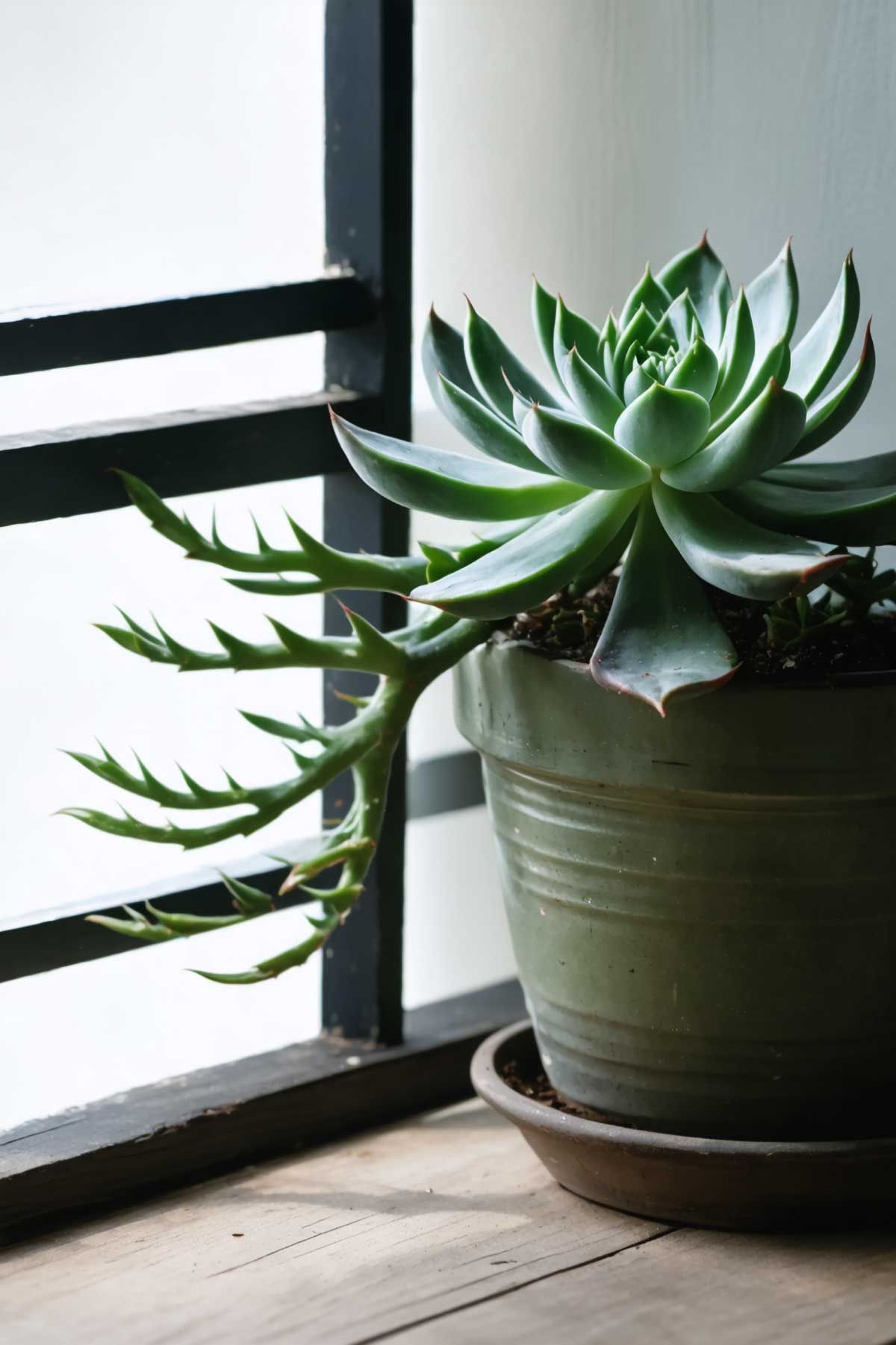
Air-Purifying Plants for a Healthier Home
Several indoor plants can greatly improve your home's air quality by filtering out common pollutants and releasing fresh oxygen.
You'll find powerful air-purifying options like the snake plant, spider plant, and peace lily, which NASA has recognized for their ability to remove toxins such as benzene, formaldehyde, and trichloroethylene from indoor spaces.
Adding these natural air filters to your living areas won't just enhance the aesthetic appeal of your home - they'll create a healthier environment for you and your family to breathe.
Top Air-Cleaning Plant Species
Research has identified multiple indoor plants that excel at removing common air pollutants from your home. The spider plant effectively filters out formaldehyde and xylene, while snake plants work around the clock to convert carbon dioxide into oxygen.
Peace lilies are particularly good at removing benzene, trichloroethylene, and ammonia from your indoor air. You'll find the bamboo palm especially effective at tackling formaldehyde, while the dragon tree removes xylene, trichloroethylene, and other harmful chemicals.
If you're looking for an easy-to-care-for option, try the pothos plant – it's excellent at filtering out benzene and carbon monoxide. The rubber plant is another powerhouse, known for eliminating airborne toxins while requiring minimal maintenance.
These plants don't just clean your air; they'll also add natural beauty to your living space.
Indoor Air Quality Benefits
Because indoor air can contain up to five times more pollutants than outdoor air, incorporating air-purifying plants into your home creates a natural filtration system that actively improves your living environment.
Through photosynthesis, plants absorb carbon dioxide and release oxygen while removing harmful toxins like benzene, formaldehyde, and trichloroethylene from the air.
You'll notice several benefits when you add air-purifying plants to your space. They'll help reduce headaches, allergies, and respiratory problems while boosting your concentration and productivity.
Plants also increase humidity levels, which can ease dry skin and reduce the spread of airborne viruses. For ideal air-cleaning results, place one medium-sized plant per 100 square feet of indoor space, focusing on areas where you spend the most time, like your bedroom or home office.
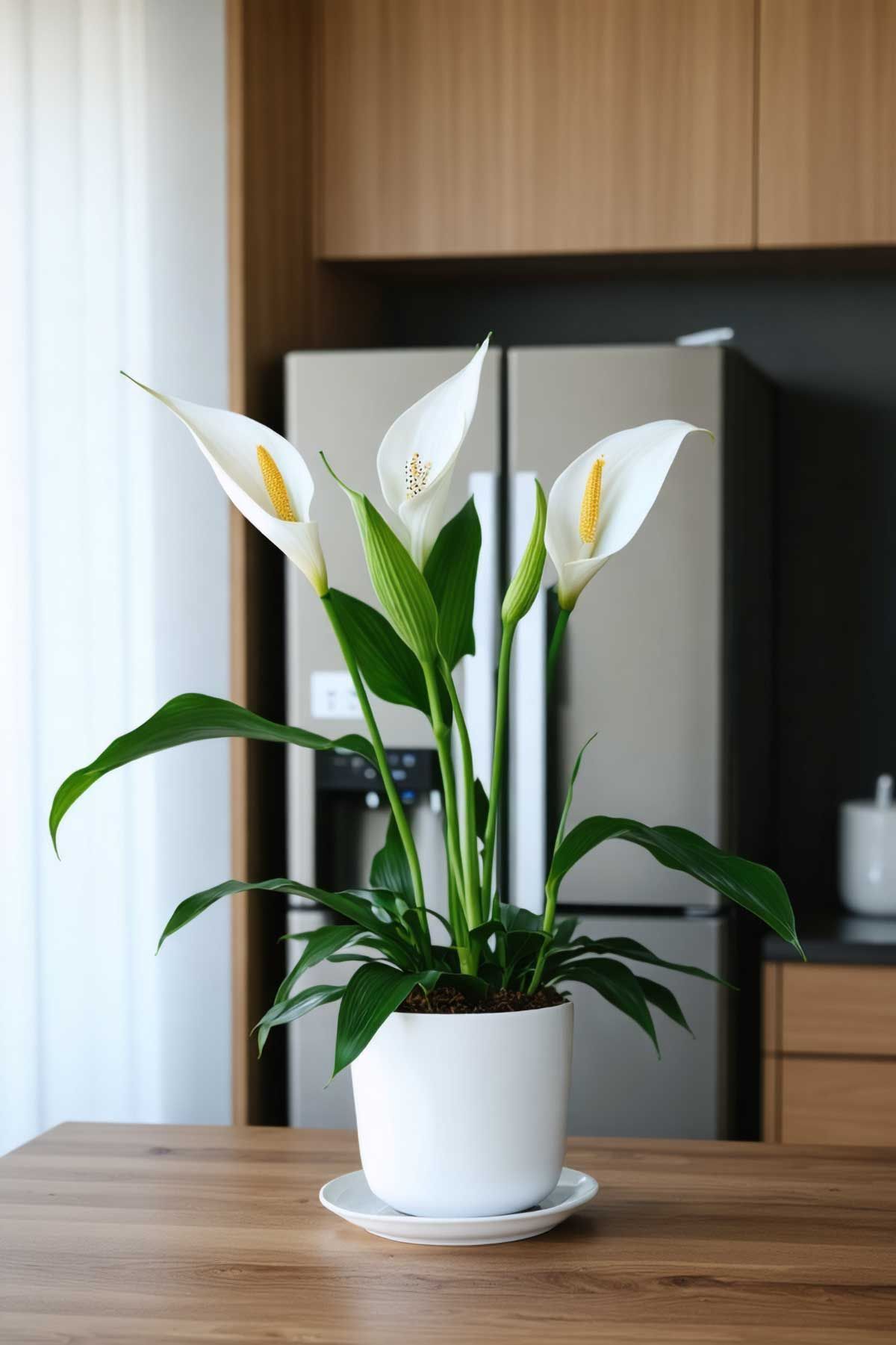
Statement Plants for Visual Impact
Statement plants are bold, eye-catching specimens that can transform any room into an enchanting space.
If you're looking to make a dramatic impact, consider adding a Monstera deliciosa with its striking split leaves or a towering Fiddle Leaf Fig that can reach your ceiling. The Bird of Paradise offers a tropical flair with its large, paddle-shaped foliage, while the Rubber Plant features glossy leaves that reflect light beautifully.
Place these showstoppers in bare corners, next to sofas, or as focal points in your entryway. You'll want to position them where they'll receive adequate light and have room to grow.
Remember to choose a decorative pot that complements your décor – it's like selecting the perfect frame for a piece of art.
Pet-Safe Indoor Plants for Animal Lovers
While statement plants create stunning visual displays, pet owners must prioritize their furry friends' safety when selecting indoor greenery.
You'll find numerous pet-safe options that add beauty without risk. The Boston fern, spider plant, and parlor palm are excellent choices that won't harm cats or dogs if nibbled.
Consider placing a calathea or prayer plant on your shelves - their striking patterns offer visual interest while remaining non-toxic.
African violets provide pops of colour, and the pet-friendly bamboo palm can serve as an attractive room divider.
If you're seeking succulents, the Haworthia and echeveria varieties are safe alternatives to toxic jade plants and aloe vera.
Remember to double check any new plant's safety through the RSPCA's toxic plant database before bringing it home.
Water-Wise Plants for Busy Households
When life gets hectic, you need plants that can thrive with minimal attention. Water-wise plants are perfect for busy schedules, as they've adapted to survive periods of drought.
These resilient beauties store water in their leaves or stems, making them incredibly forgiving if you forget to water them occasionally.
Some of the best low-maintenance options include:
- Snake Plant (Sansevieria) - It can go weeks without water and thrives in any light condition
- ZZ Plant (Zamioculcas zamiifolia) - Tolerates neglect and grows well in low light
- Jade Plant (Crassula ovata) - A succulent that needs watering only when its soil is completely dry
Simply check the soil moisture every week or two, and you'll have healthy, attractive plants that won't suffer from your busy lifestyle.
Best Plants for Different Rooms in Your Home
Now that you've found the perfect low-maintenance plants, let's match specific plants to each room in your home.
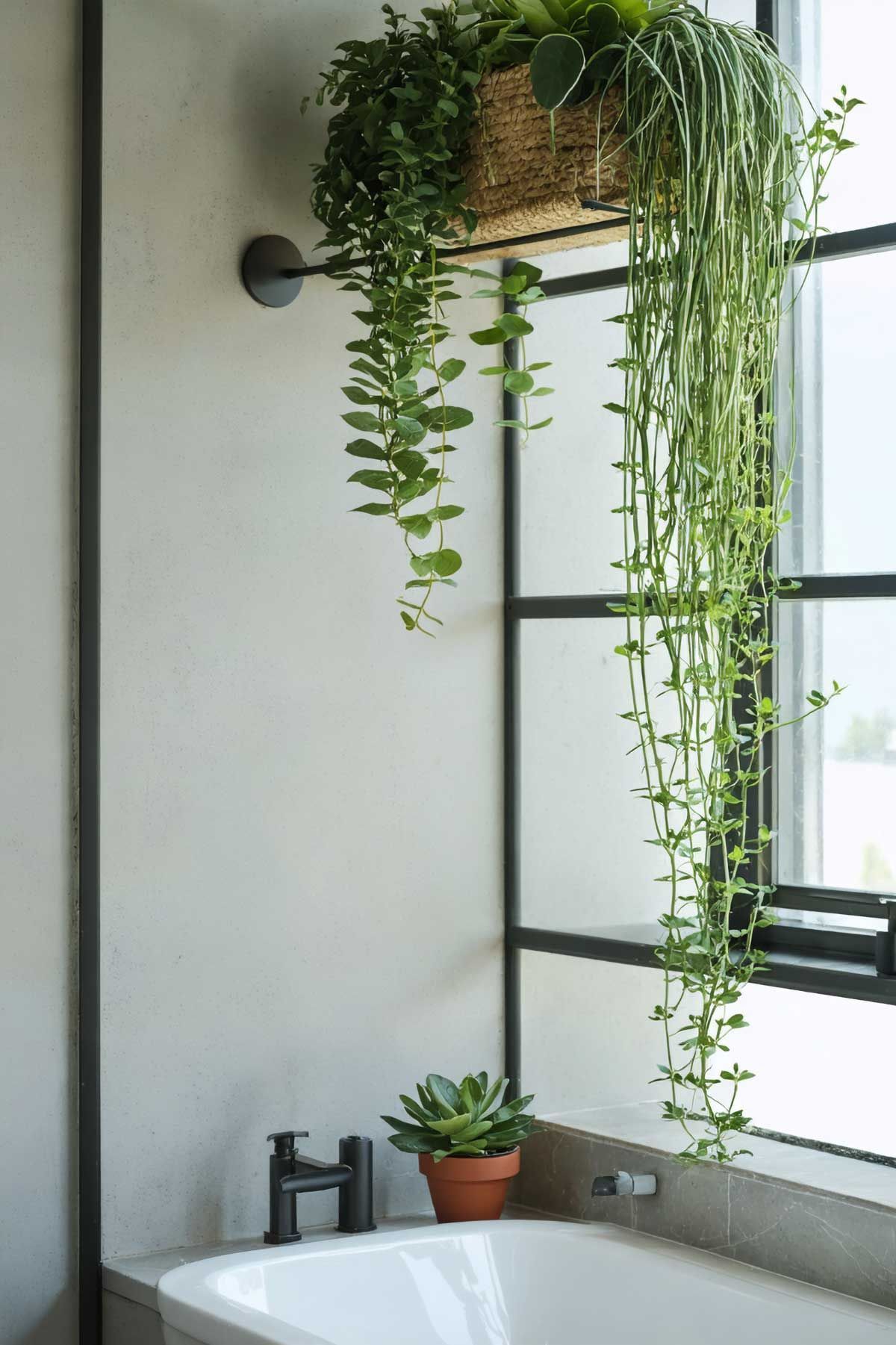
In your bathroom, try humidity-loving peace lilies or Boston ferns that thrive in shower steam.
Place snake plants or ZZ plants in your bedroom, as they release oxygen at night and improve sleep quality.
Your kitchen benefits from herbs like basil and mint, which you can use in cooking while adding fresh greenery.
For your living room, consider statement pieces like fiddle leaf figs or rubber plants that create dramatic focal points.
In your home office, jade plants and spider plants can boost concentration while purifying the air. Position aloe vera on sunny windowsills to harness its healing properties and architectural appeal.
Frequently Asked Questions
How Do I Identify and Treat Common Indoor Plant Pests?
You'll spot common pests like spider mites, mealybugs, and scale by inspecting leaves. Treat infestations using neem oil spray, insecticidal soap, or wiping leaves with rubbing alcohol-soaked cotton balls.
Can Indoor Plants Survive in Rooms With Air Conditioning?
Yes, your indoor plants can thrive with AC, but you'll need to keep them away from direct cold air vents, maintain humidity levels, and choose species that tolerate cooler temperatures.
Should I Repot My Indoor Plants Immediately After Buying Them?
Don't repot your new plants immediately. Let them acclimate to their new environment for 1-2 weeks first. When you do repot, choose a container that's one size larger than the original.
What Type of Soil Mix Works Best for Indoor Plants?
You'll want a well-draining potting mix that's light and airy. Combine regular potting soil with perlite, peat moss, and orchid bark for ideal drainage and root health.
How Do I Properly Propagate My Favourite Indoor Plants?
You can propagate indoor plants through stem cuttings in water, division of root clusters, or leaf cuttings. Place them in well-draining soil once roots develop and keep soil moist.
Conclusion: Best indoor plants for your home
You're now equipped to transform your space into a vibrant indoor garden. Whether you're a novice looking for low-maintenance options or an experienced plant parent seeking dramatic statement pieces, there's a perfect plant for every corner of your home. Remember to take into account your lifestyle, lighting conditions, and household members when choosing your green companions. Start small, learn as you grow, and watch your indoor oasis flourish.
More Plants and Gardens Articles

About The Author
I'm Channing and I am the driving force behind Platypus and Pine. I've had over 30 years of experience in designing, renovating and customising Australian homes.
I've used everything from aluminium to velvet as decor choices and love a wide variety of styles and themes.
My absolute favourite is Mid Century Modern and I was fortunate enough to spend 2 weeks in Palm Springs for Modernism week just last year.